


In the world of Doraemon, having a robot from the future is seen as a priceless gift both emotionally and technologically. But if we pause the exciting adventures and look at Mrs. Tamako’s household budget, we find a financial challenge.
A high-tech robot like Doraemon doesn’t just take up living space, it also comes with very real operating costs. The question is, with Mr. Nobi’s average office worker salary, how does the family afford to maintain such an advanced machine, especially considering Doraemon’s seemingly endless appetite for dorayaki?
Many fans wonder if a robot really needs to eat daily. According to Doraemon’s design, he has a tiny “atomic reactor” inside that can convert any food into energy with perfect efficiency. This means Doraemon doesn’t have to eat to survive like humans do, but eating dorayaki serves a psychological need and provides a quick energy boost.

In many episodes, Doraemon can devour a whole stack of dorayaki in seconds. In 1970s and 80s Japan, good-quality dorayaki were quite pricey compared to average incomes. If Doraemon eats two to three pancakes daily plus regular family meals, his food expenses could take up 10-15% of Mrs. Tamako’s grocery budget. That’s a significant cost for a family already tightening their belts to pay rent and utilities.
Of course, raising a 22nd-century robot involves more than just food. Imagine the maintenance costs for an AI system capable of complex human-like emotions. Although Doraemon is described as a defective robot, his components are advanced technology far ahead of their time. Repairs or check-ups could cost as much as servicing a luxury sports car.
The Nobita family is lucky that Doraemon can handle minor self-repairs. Otherwise, just the oil and replacement parts would force Mr. Nobi to work overtime all year. Doraemon’s presence is a silent financial sacrifice by Nobita’s parents, who willingly support this high-maintenance “family member” without expecting any material return.
To understand how the Nobita family covers these costs, we need to look at Mrs. Tamako’s skillful financial management. In that era of Japan, housewives were the ultimate “financial directors” of their households.
Mrs. Tamako was known for meticulously tracking every penny. It’s likely that Doraemon’s gadgets, like the “Time Cloth” to restore old items or devices that save electricity and food, helped the family cut other expenses.
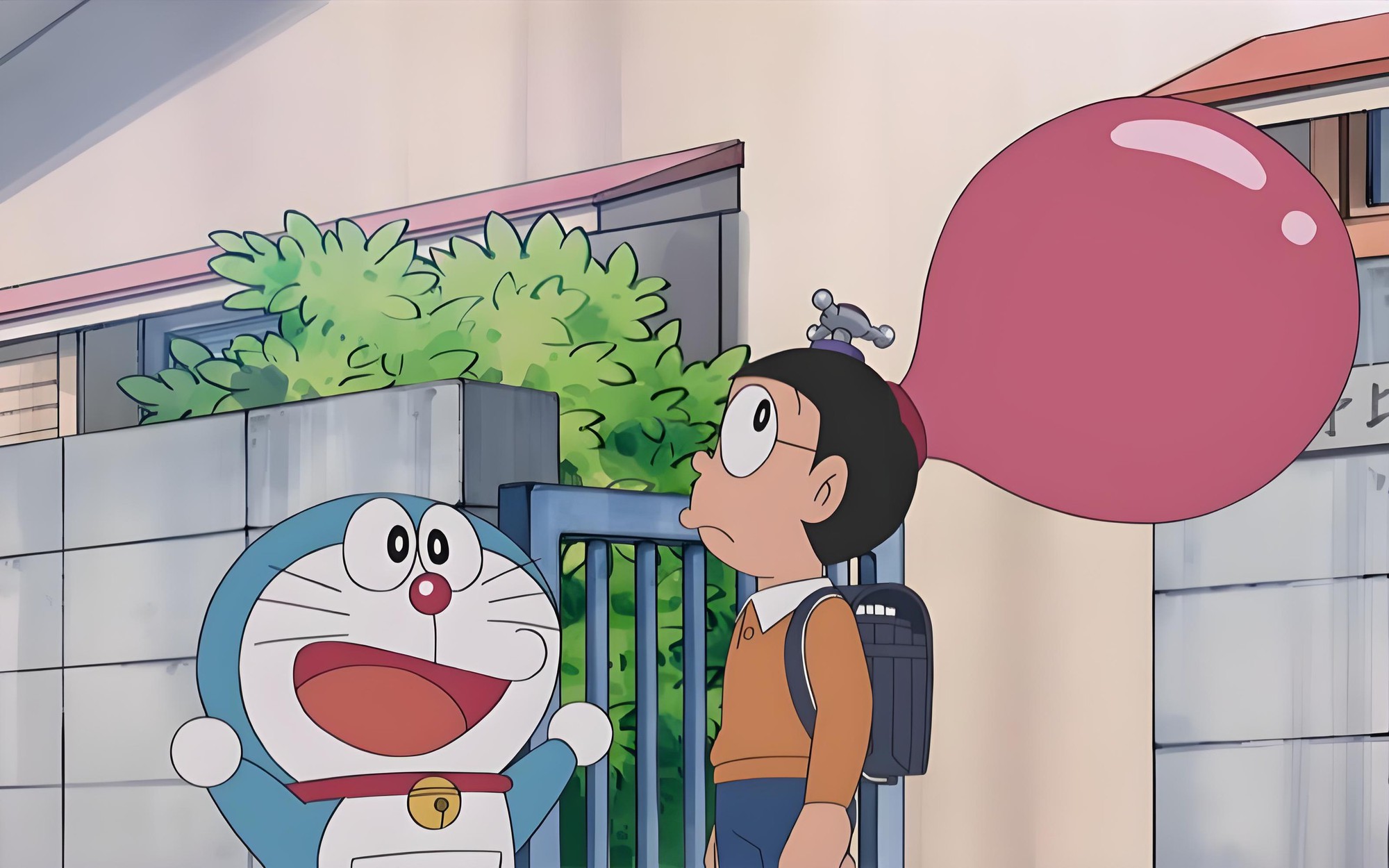
Ultimately, raising a robot is a risky investment that offers priceless experiences. The Nobita family may lack cash, but they are rich in kindness and willing to share their modest meals with a friend from the future.
No matter how much we calculate the cost of dorayaki or maintenance, the true value Doraemon brings to the Nobis is immeasurable. A robot who laughs and cries with their son and helps him grow is the greatest blessing for Mr. and Mrs. Nobi.
The dorayaki Mrs. Tamako buys for Doraemon are more than food, they are a bond that turns a machine into a beloved family member. In Doraemon’s world, true wealth isn’t measured by bank balances but by the love you have to nurture a soul, even if that soul runs on an atomic reactor.