


A character from the 2009 anime Basquash! unexpectedly became the center of a heated debate on X (Twitter). The controversy wasn’t about the show’s story, but rather the character’s appearance being used to criticize how One Piece creator Eiichiro Oda designs his female characters.
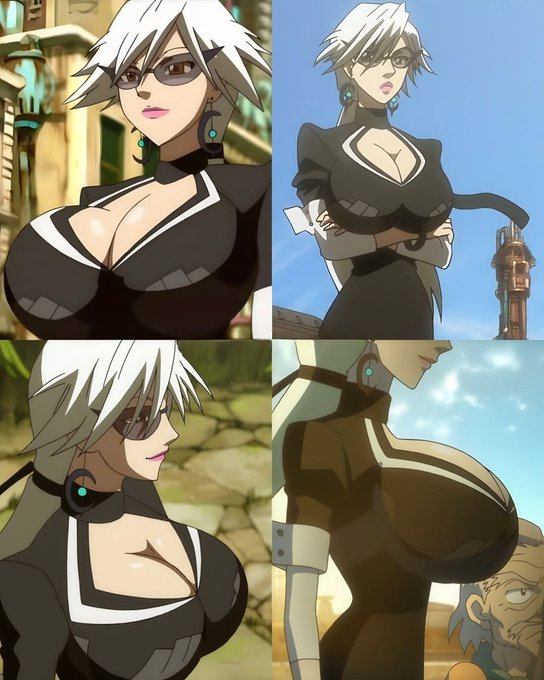
The character in question is Haruka Gracia, a female shoemaker from the Moon featured in the mecha sports anime Basquash!. The most debated aspect is her exaggeratedly large chest, drawn to an unrealistic degree. The show even offered a humorous explanation: “Due to the low gravity on the Moon, her body developed… disproportionately like this.”
How does Gracia’s exaggerated design in Basquash! challenge One Piece?
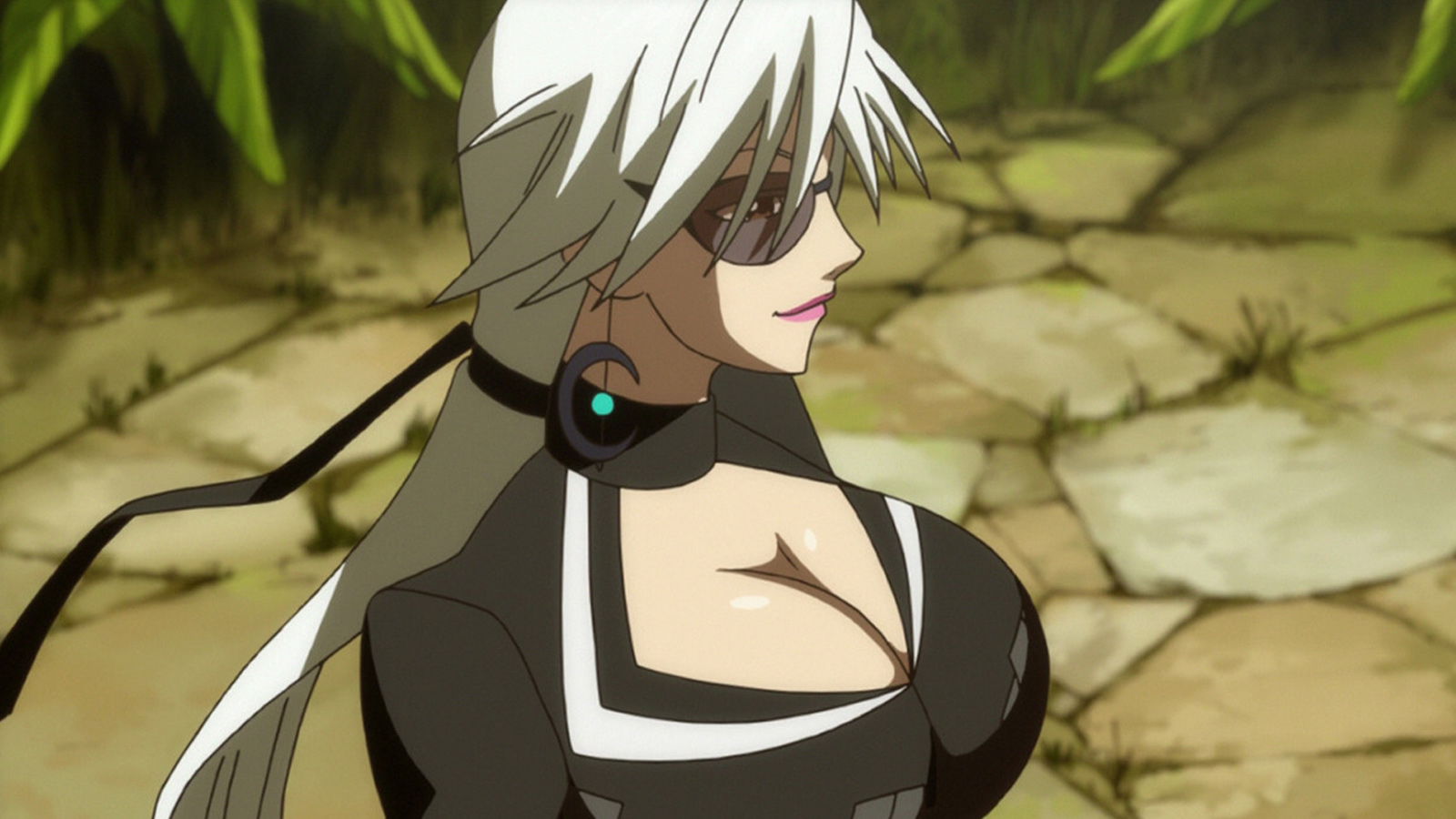
The discussion began when user @ShadowDaddy82 posted an image of Gracia with the sarcastic caption: “This is the kind of design Oda would give a 14-year-old.” This sparked a fierce debate about the line between artistic style and creator responsibility.
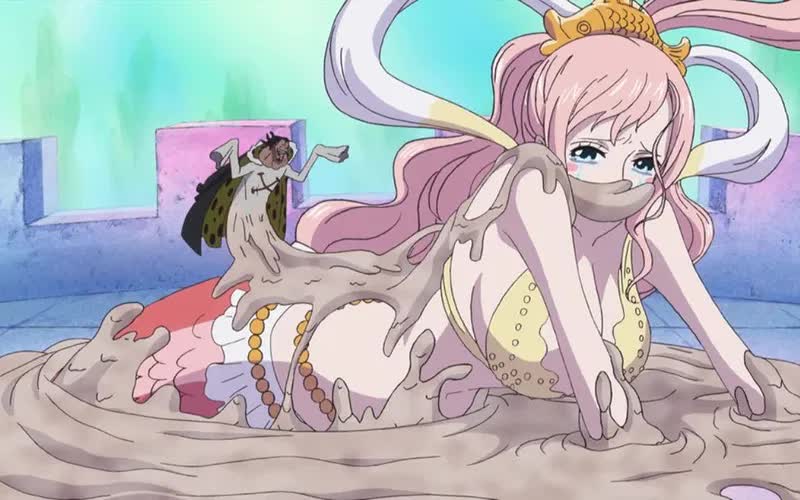
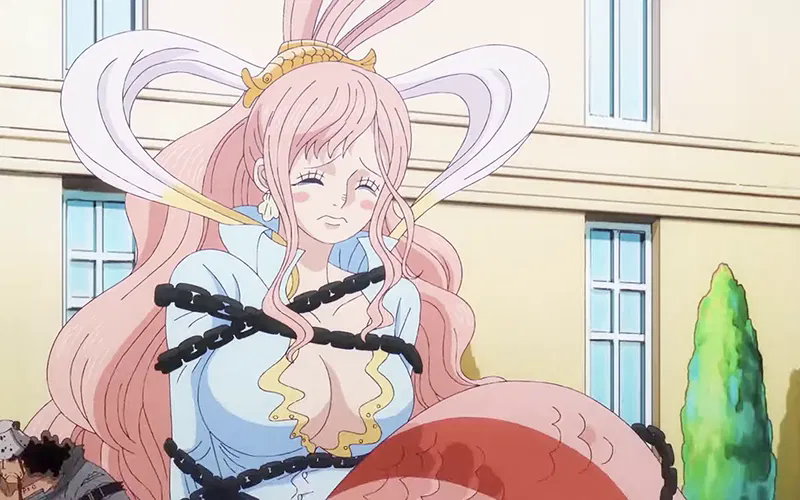
Online communities quickly pointed out troubling similarities. In One Piece, there are many characters who are minors but are drawn with the bodies of mature, highly sexualized women. Characters like Princess Shirahoshi and Jewelry Bonney are often cited in this debate.
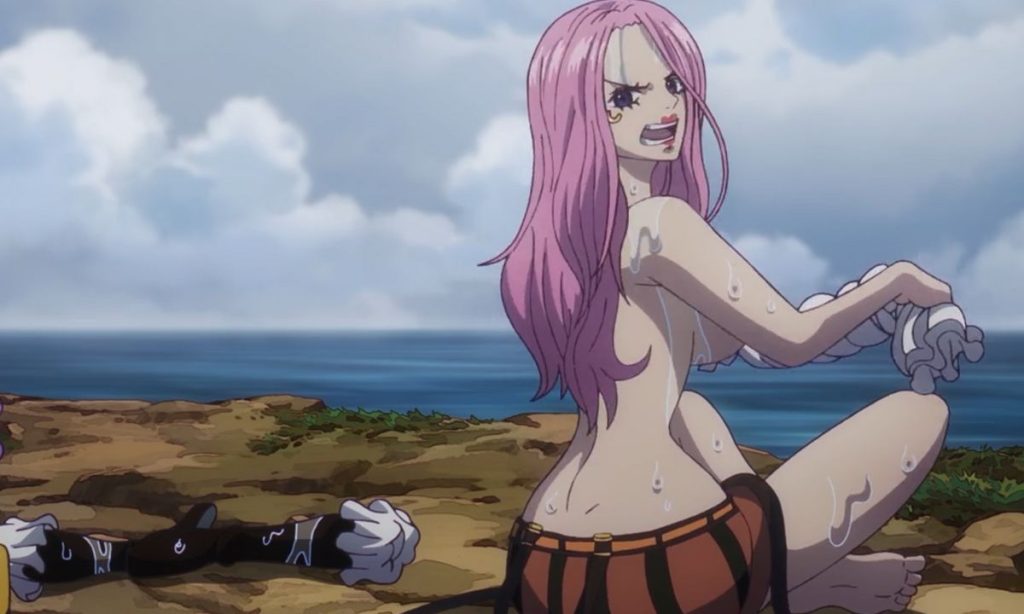
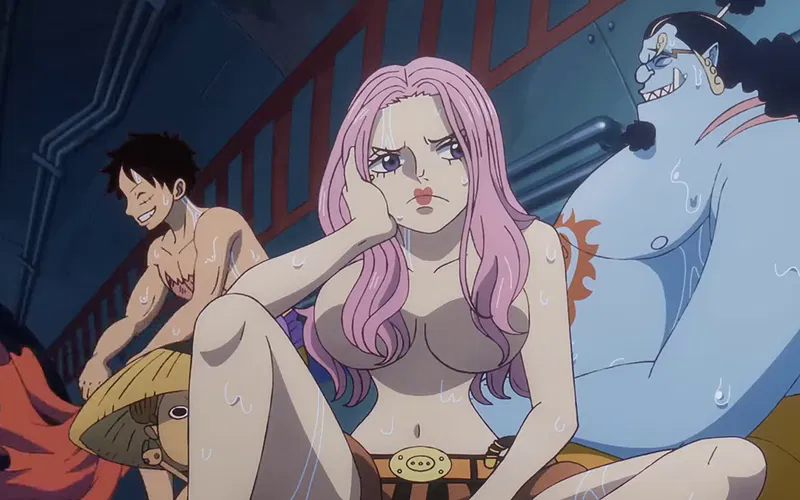
Especially with Bonney, who uses the Toshi Toshi no Mi power to change her age, but is actually still a child. Many fans question: “What purpose does it serve for a minor character to be scantily dressed or shown in suggestive scenes? The answer is: None at all.”
At first glance, this might seem like typical anime fan banter. However, this issue gained attention for three key reasons.
First, the sensitivity around age. Viewers are increasingly uncomfortable imagining teenage characters drawn in overly sexualized ways.
Second, the trap of humor. Basquash! treats Gracia’s exaggerated body as a joke, but can turning such exaggeration into comedy justify its negative visual impact?
Lastly, the responsibility of industry giants. Comparing Oda, a manga legend, brought this discussion beyond fandom circles into the wider community. People began questioning the artistic responsibility of creators in 2026’s evolving social standards.
A wake-up call for mangaka?
Many comments criticized even legends like Dragon Ball for similar past mistakes. What disappoints fans more is that Oda continues this style despite growing calls to protect the image of minors.
Anime art and humor have long pushed visual boundaries. But when those extremes apply to young characters, public backlash is inevitable. Haruka Gracia’s resurgence after 17 years isn’t meant as an attack, but it reminds creators that character design carries cultural weight and will be judged over time.
Perhaps it’s time for Oda to rethink portraying characters in ways that better reflect their true ages, instead of chasing unrealistic curves.