

One Piece chapter 1153, titled “The Birth of Loki,” reveals the tragic past of Harald and how he became the greatest king of Elbaf. The chapter also introduces his sons, Hajrudin and Loki, alongside the ancient traditions of Elbaf. Despite his progressive views, Harald must marry a royal woman to preserve the bloodline, leading to Loki’s birth.
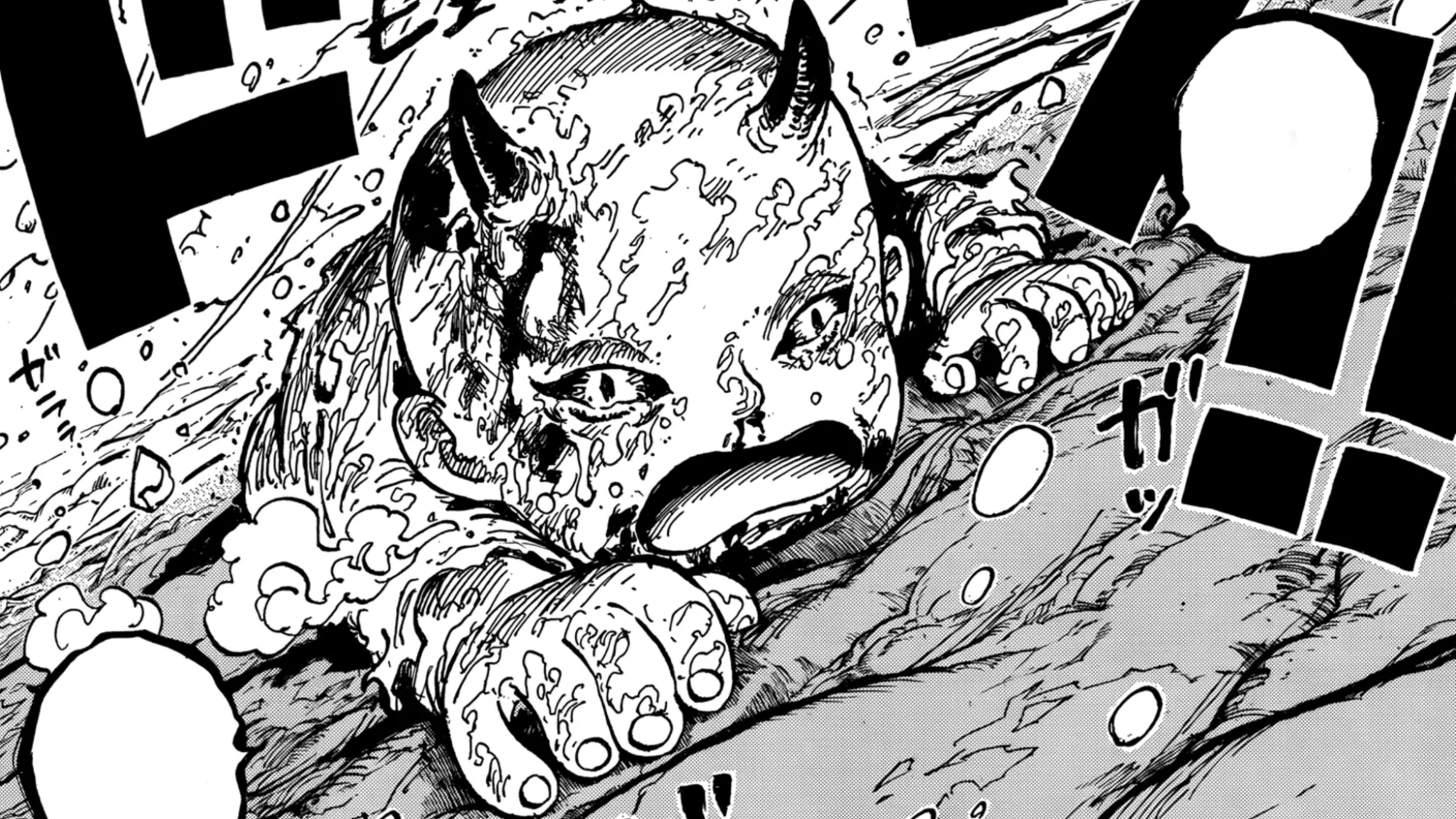
However, immediately after birth, Loki is rejected by his mother, Estrid, because of his unusual eyes. She sees him as a monster from the moment he is born. Estrid even cruelly throws the newborn into the Underworld, but Loki survives and returns. She then reveals a harsh prophecy: Loki will one day kill his father, branding him the “cursed prince.” This highlights that Loki’s villainous nature is not a choice but a result of judgment and fear from those around him.
Loki’s circumstances create a tragic and compelling parallel with Ryomen Sukuna from Jujutsu Kaisen, a character who also experienced a troubled birth and rejection.
Sukuna and Loki: Fates Shaped by Rejection
While One Piece explores Loki’s birth through a detailed flashback, Sukuna’s birth in Jujutsu Kaisen is only mentioned twice by the antagonist himself. Still, a closer look reveals that like Loki, Sukuna was not born evil but forced into darkness after being rejected by his mother.
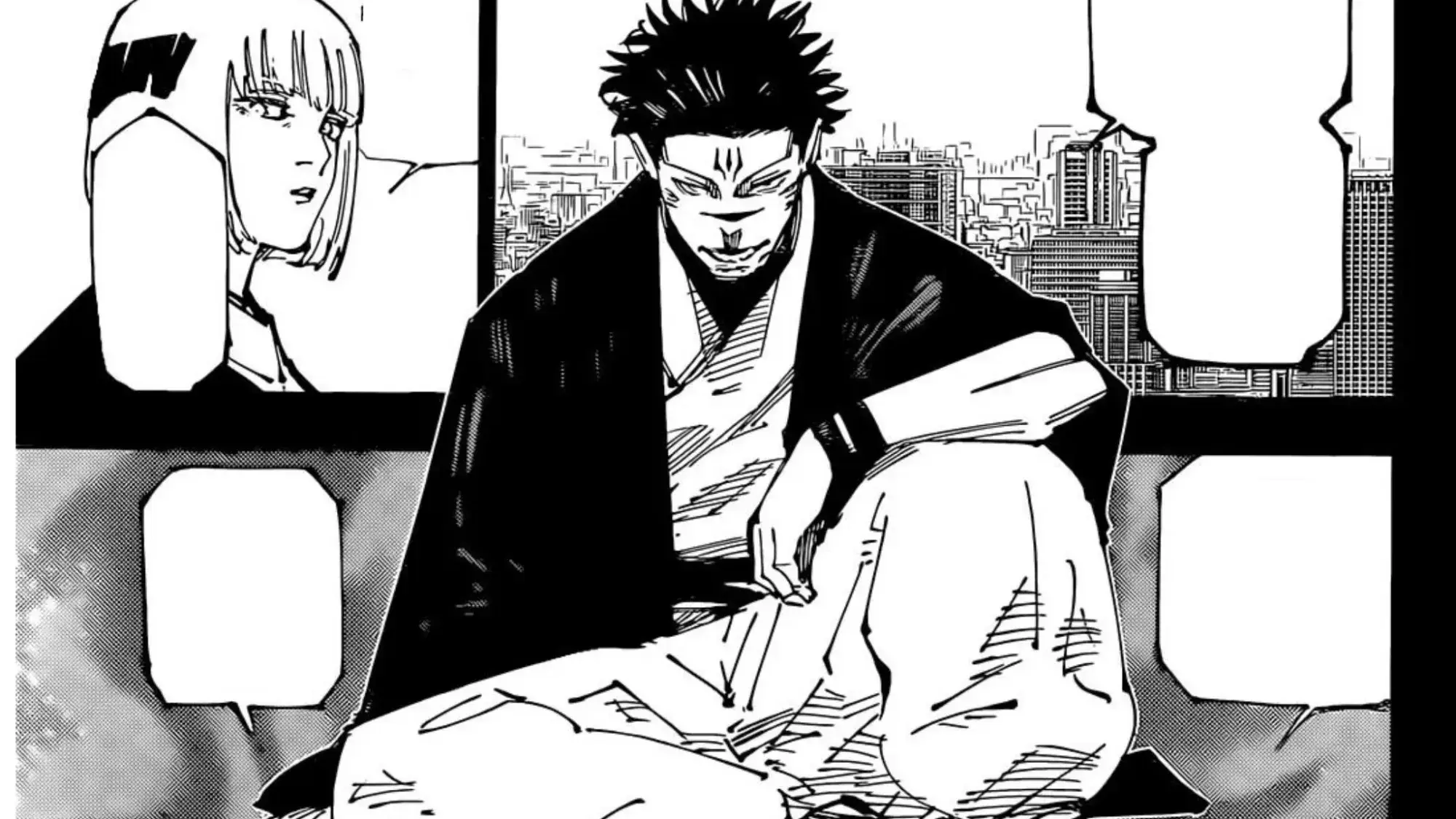
Sukuna first mentions his birth in chapter 237 of Jujutsu Kaisen when answering Hajime Kashimo’s question about whether he was the strongest from birth. Sukuna calls himself an “unwanted child.” At first, this seems vague, but the original Japanese kanji implies a deeper cultural meaning: “a terrifying child,” often used for those born with deformities.
This is further confirmed twenty chapters later, especially in chapter 257, when Sukuna discusses Yuji’s uniqueness with Uraume. He reveals he was almost a twin but ended up devouring his sibling in the womb. Sukuna explains his mother was hungry and likely did not want children. This shocking revelation supports the earlier claim of being a “terrifying child” and suggests he may have been physically conjoined or abnormal at birth.
These details reinforce the idea that Sukuna became what people feared from birth, a child who consumed his own twin. This perfectly sums up Jujutsu Kaisen’s core theme: curses born from humanity’s deepest fears. Similarly, Loki’s birth, marked by maternal rejection and fear from others, reflects this tragic background.
A Chance for Redemption: Loki’s Different Path
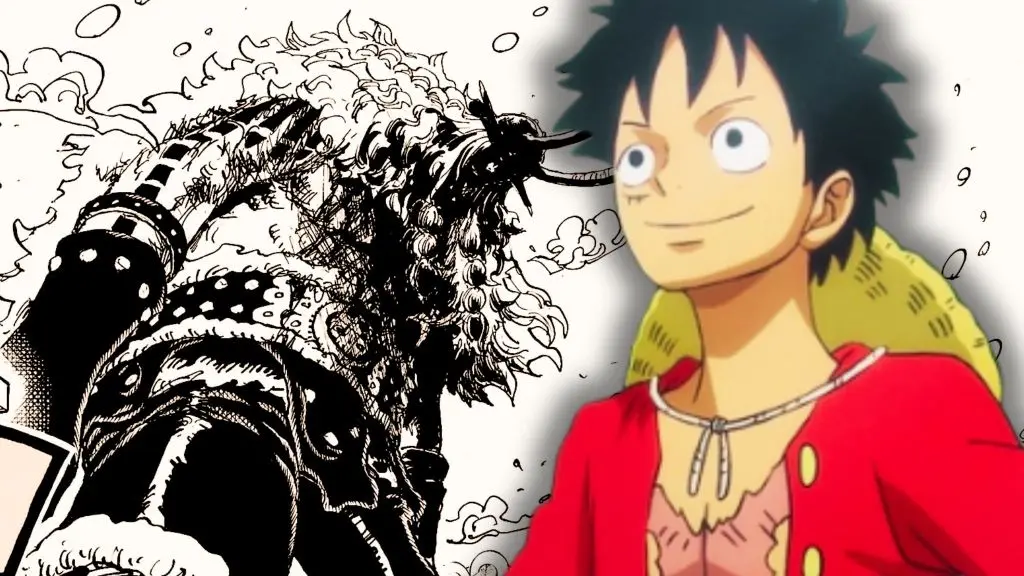
Unlike Sukuna’s path, which offers no redemption, Loki’s flashbacks and current story set him up as a potential hero. This creates a stark contrast in how two cursed births can lead to vastly different destinies if given a chance.
At Jujutsu Kaisen’s conclusion, Sukuna reveals he had two choices rooted in love, whether parental or romantic, but never accepted them. This confession highlights how deeply his rejection, especially from his mother, shaped his hatred for humanity. Instead of choosing love, Sukuna embraced darkness, haunted by the pain of being unloved and unwanted.
In contrast, One Piece portrays Loki as a character ready for redemption. Alongside Luffy and Zoro, Loki is one of the few in Elbaf shown to possess Conqueror’s Haki, a power that ranks him among those capable of standing against the Holy Knights. This not only makes him a formidable warrior but also a potential savior for his people.
The flashback also reveals that Harald, Loki’s father, was possessed by Imu, similar to Dorry and Brogy in the current timeline. This revelation may help Elbaf’s people understand that if Loki does kill his father, it won’t be out of malice or fate but necessity. Loki’s story in One Piece seems to be one of redemption and heroism, positioning him as the true King of Elbaf. His journey reinforces the idea that fate is not fixed at birth but shaped by the choices one makes, a chance Sukuna never had.