


Created by the legendary duo William Hanna and Joseph Barbera, this animated series quickly became a pop culture phenomenon, ushering in a new era for television cartoons.
Set in a fictional Stone Age world but styled with modern-day life elements, The Flintstones offered audiences a blend of the familiar and the novel, filled with humor and thoughtful social commentary.
Before its debut, American television was dominated by popular sitcoms aimed at adult viewers. However, no animated show had been seriously positioned in prime time, a slot traditionally reserved for live-action series.
Hanna-Barbera, already successful with short animated series like Tom and Jerry, took a bold step by launching a full-length animated show during prime time. Their goal was to appeal not only to children but also to adults. This vision gave birth to The Flintstones.
The story takes place in Bedrock, a fictional Stone Age town where humans live alongside dinosaurs, mammoths, and long-necked prehistoric creatures. The twist is that all these elements are humorously modernized: cars powered by foot, vacuum cleaners as small elephants, and dishwashers portrayed as dinosaurs that eat the dishes. This mix of ancient and modern sparked laughter while offering satirical insights into contemporary life.
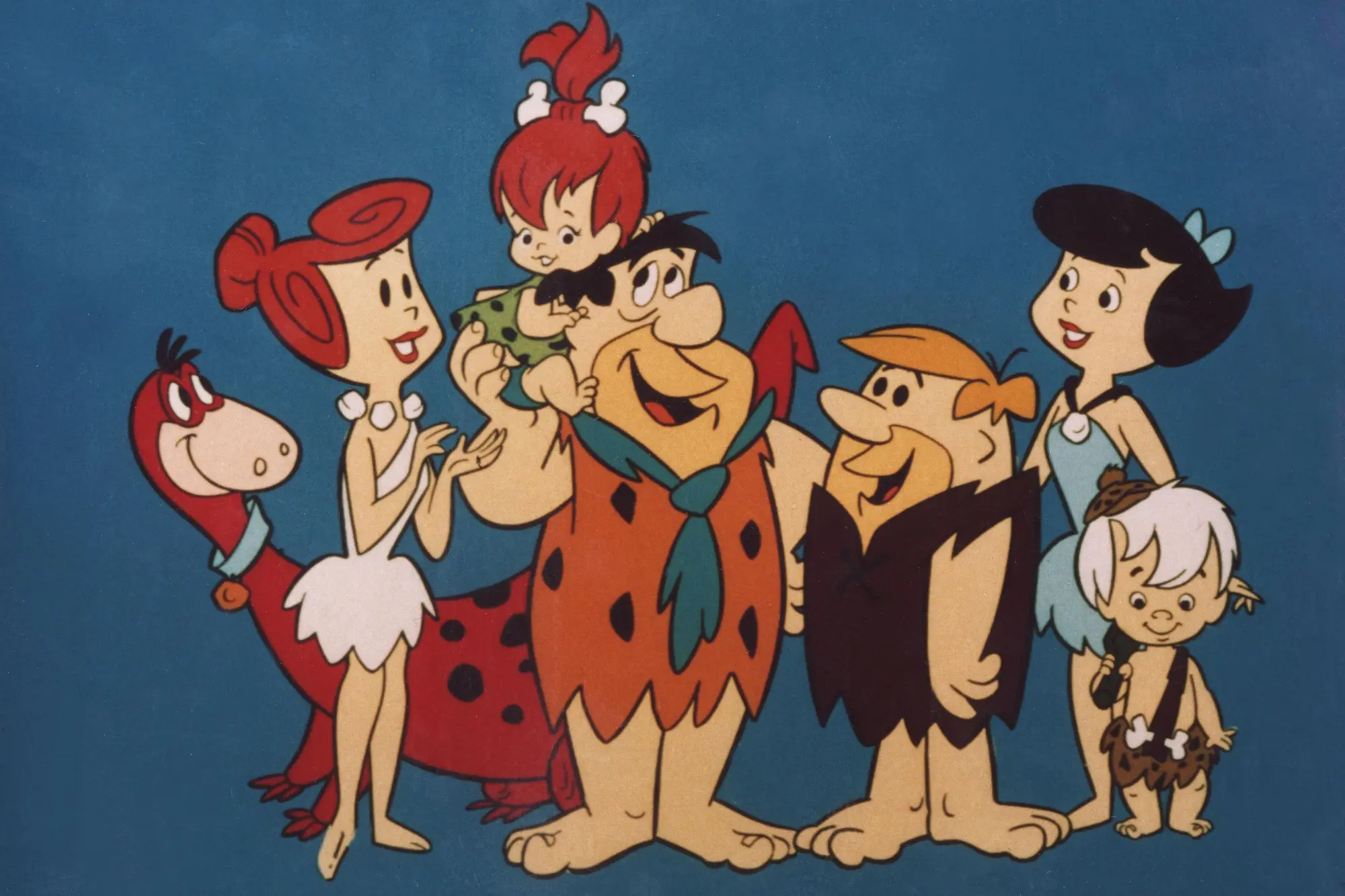
The central characters are the Flintstone family: Fred Flintstone, a clumsy, hot-tempered but kind-hearted husband, his smart and resourceful wife Wilma, and their daughter Pebbles.
Their neighbors and close friends are the Rubble family, consisting of Barney, Betty, and their super-strong adopted son Bamm-Bamm. The neighborly bonds, friendships, and everyday conflicts between these two families created many hilarious and relatable moments that mirrored the lives of viewers at the time.
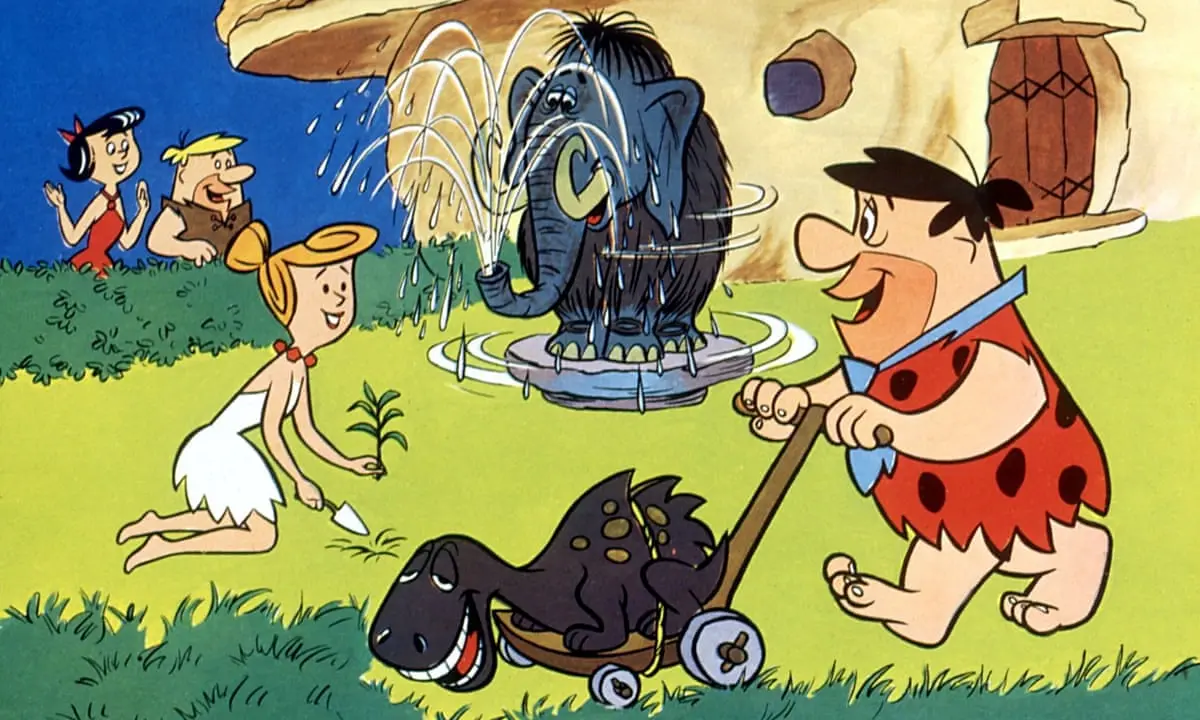
Over its six-year run from 1960 to 1966, The Flintstones won the hearts of millions. The show stood out not only for its entertainment value but also for its clever reflection of modern society through a comedic lens.
Cultural scholars often compare The Flintstones to a “family sitcom” like the 1950s hit The Honeymooners, but uniquely wrapped in animated form. This smart blend made the series revolutionary.
The Flintstones also made history as the first animated TV show with a 30-minute runtime per episode, setting the standard for future animated series. Before this, cartoons were typically short segments lasting five to ten minutes and aired within other programs. The success of The Flintstones proved that animation could stand alone in prime time.
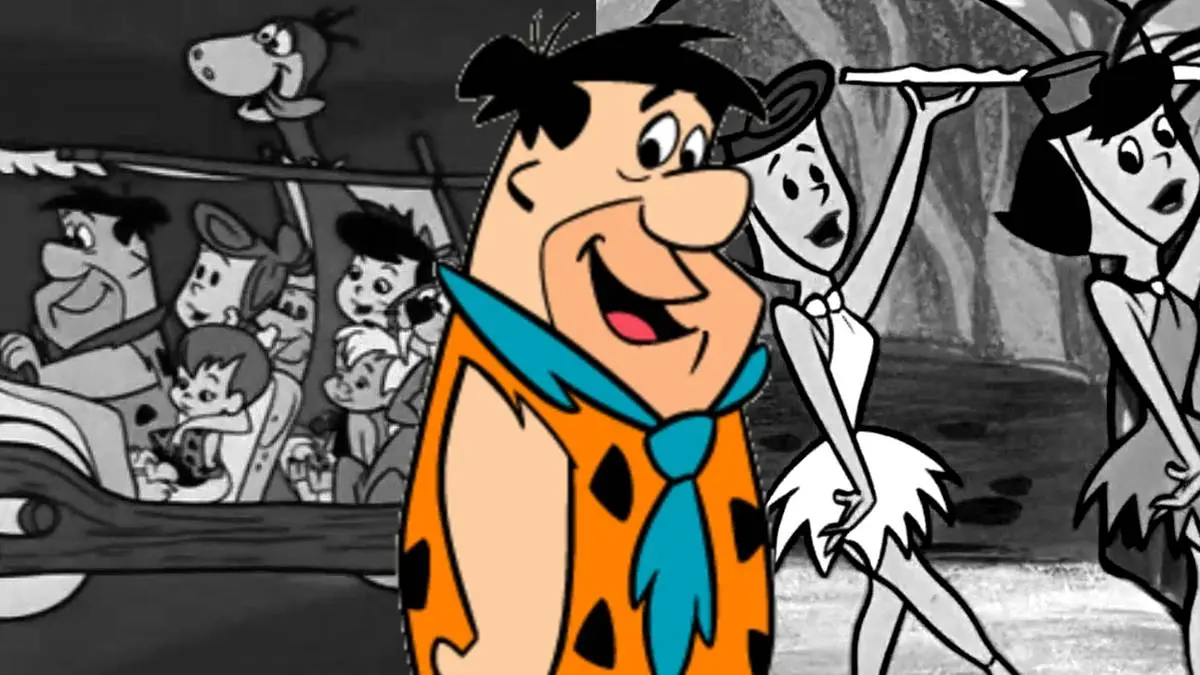
Beyond television, The Flintstones expanded into comics, toys, video games, feature films, and even advertising, most famously for breakfast cereals and cigarettes in the 1960s, turning the show into a massive entertainment brand. Fred Flintstone’s catchphrase “Yabba Dabba Doo!” became a cultural icon recognized across generations.
After the original series ended in 1966, The Flintstones continued to live on through spin-offs, movies released in 1994 and 2000, and various reboots. While these later versions didn’t capture the original’s acclaim, they demonstrated the enduring appeal of the franchise.
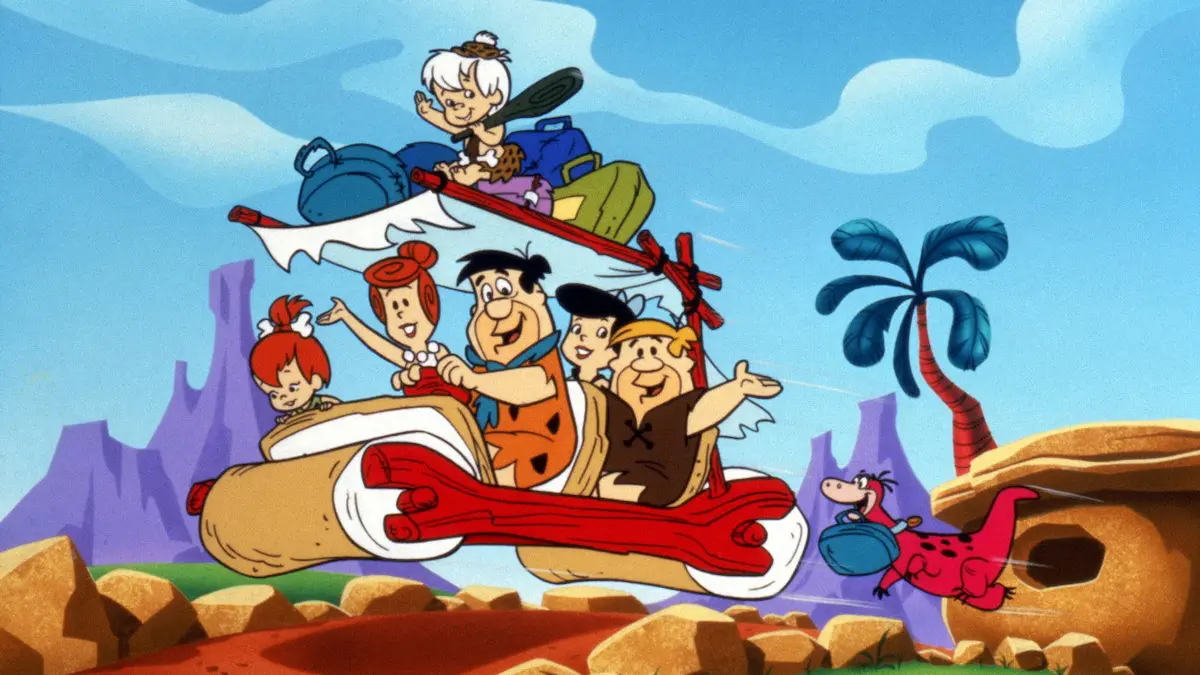
Today, The Flintstones is regarded as a golden milestone in the history of television animation. The show paved the way for adult-oriented animated series like The Simpsons, Family Guy, and American Dad, leaving a lasting cultural legacy that proved cartoons can be more than just children’s entertainment, they can also reflect society.
September 30, 1960, marks not only the debut of an animated series but also a turning point for the global entertainment industry, where the Stone Age world of The Flintstones became an enduring part of pop culture history.