


Guo Jing’s Tragedy: Masterful Martial Arts Yet Unable to Change History
The famous saying by Sima Qian: “Everyone must die, but death can be as heavy as Mount Tai or as light as a feather” perfectly fits Guo Jing. In Jin Yong’s novels, he is the quintessential hero, a man driven by patriotism and willing to sacrifice himself to defend Xiangyang.
Guo Jing is not only the protagonist of The Legend of the Condor Heroes but also appears as Yang Guo’s mentor in The Return of the Condor Heroes. However, in The Heaven Sword and Dragon Saber, his fate ends in tragedy as Xiangyang ultimately falls.
What puzzles many is that Guo Jing possesses numerous supreme martial arts skills like the Eighteen Dragon-Subduing Palms, ambidextrous techniques, and the Nine Yin Manual. With such power, why couldn’t he turn the tide of battle?
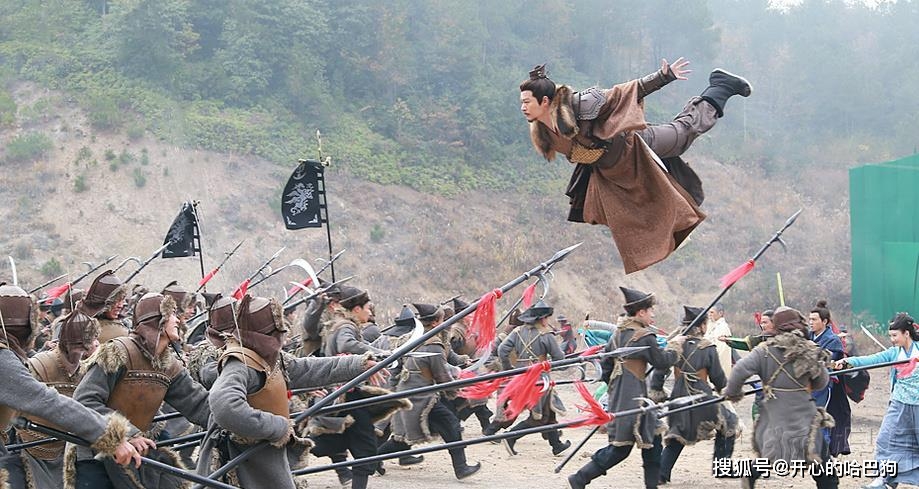
Some readers even ask: Jin Yong’s wuxia world features characters like the heroine A Qing, who could single-handedly face thousands of soldiers. So why couldn’t Guo Jing achieve a similar miracle?
The common explanation among fans points to the historical context. In real history, Xiangyang eventually fell to the Mongol Yuan forces. Jin Yong, while crafting his martial arts universe, aimed to preserve major historical milestones. Therefore, he could not allow a fictional character to alter that outcome.
In other words, Guo Jing’s defeat was not just personal failure but an inevitable historical event.
Two Masters Who Could Have Defended Xiangyang
Still, within the wuxia world, many believe two characters had the ability to change the course: Yang Guo and Huang Yaoshi.
First is Yang Guo. At the end of The Return of the Condor Heroes, he famously came to Xiangyang’s rescue. While he might not single-handedly repel an entire army, with his martial skills and courage, Yang Guo could launch surprise attacks, capture, or assassinate enemy leaders, throwing their forces into chaos.
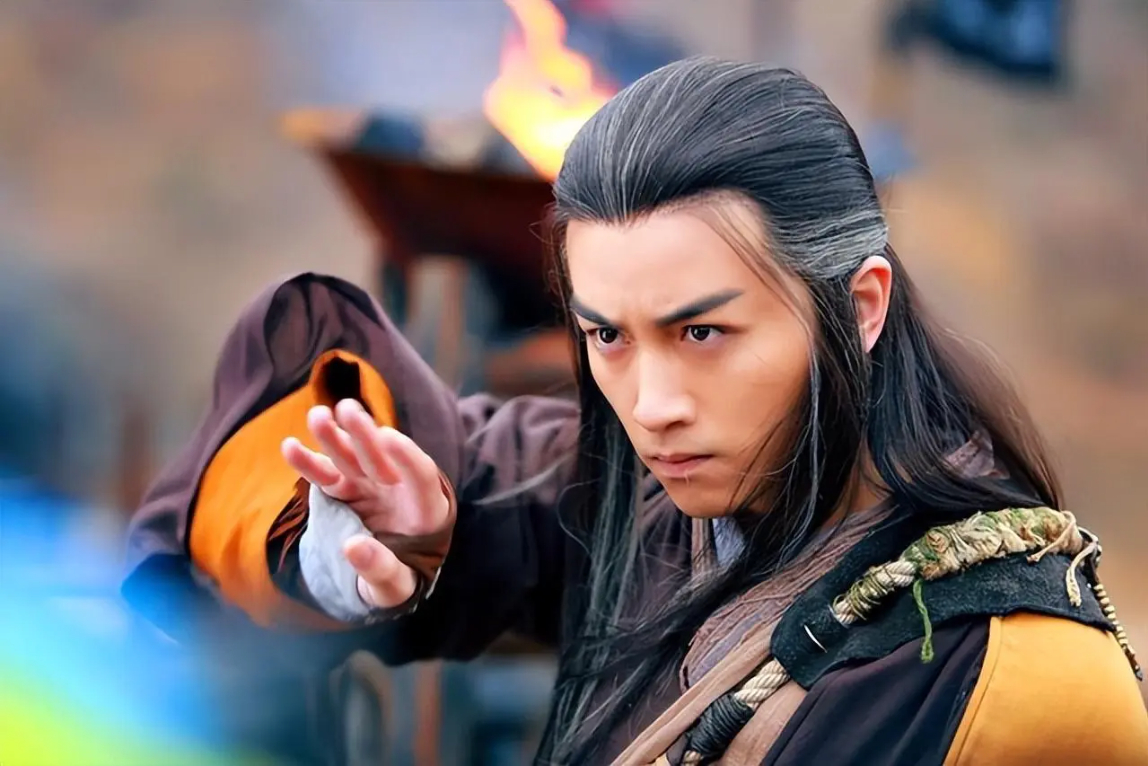
More importantly, Yang Guo’s greatest advantage lies not only in his martial arts but also his reputation in the martial world. Unlike Guo Jing, who was a general defending the city, Yang Guo was a wandering hero with wide connections among masters and sects.
Because of this, if Yang Guo had rallied support, many martial heroes might have joined the defense of Xiangyang. Such a force would have significantly strengthened the city’s defenses.
The second is Huang Yaoshi, the Eastern Heretic of the martial world. In Jin Yong’s works, Huang Yaoshi is renowned not only for his martial prowess but also for his intelligence and vast knowledge.
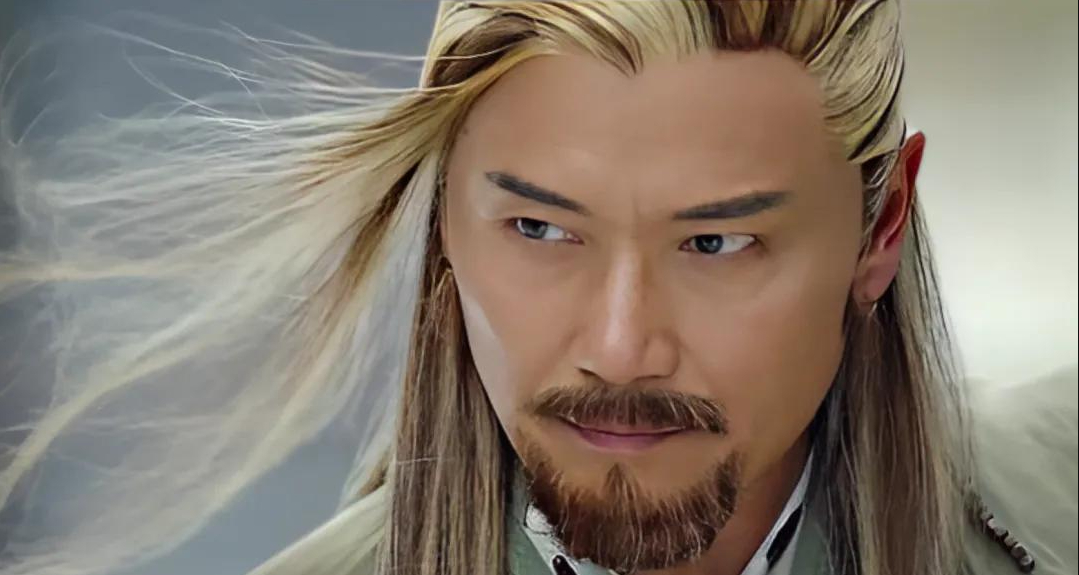
He is well-versed in astronomy, geography, the five elements, Eight Trigrams, mysterious tactics, and military strategy. If involved in Xiangyang’s defense, Huang Yaoshi could devise special plans and formations to help the Song army hold out longer or even counterattack.
Additionally, Huang Yaoshi possesses the famous sonic technique Green Wave Rising Melody. In the novels, this music can disrupt an opponent’s mind. On the battlefield, many believe it could throw enemy troops into disorder without direct combat.
Notably, Huang Yaoshi is also the father of Huang Rong and Guo Jing’s father-in-law. This makes his absence from the Xiangyang battle all the more puzzling to readers.
The Real Reason: Jin Yong Could Not Change History
Looking at the bigger picture, the answer always comes back to historical authenticity.
If Jin Yong had allowed Yang Guo or Huang Yaoshi to fight and save Xiangyang, it would mean altering the outcome of a significant historical event. This is something the author consistently avoided in his works.
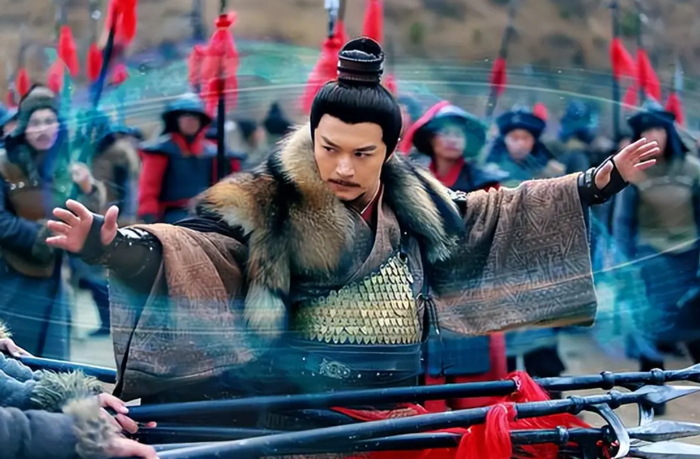
Therefore, Jin Yong’s way to handle this was to have these two characters “disappear from the stage,” keeping the tragic ending of Guo Jing and Xiangyang intact.
This makes the story even more poignant: from the moment Guo Jing decided to stay and defend Xiangyang to the death, his fate seemed sealed.
Because of this, Guo Jing’s image remains a symbol of the phrase: “A true hero fights for country and people.”
Sources: Sohu, Sina, 163