


Even after many years, Jin Yong’s wuxia novels still hold a special place in the hearts of readers across generations. Take Duen Yu, for example, whose handsome and noble image has won over countless fans. Hu Zhu, closely connected to him, also has a strong following. Yet, in the original Demi-Gods and Semi-Devils novel, there is a deeply thought-provoking detail: when Hu Zhu was killed, Duen Yu never sought revenge. This choice makes readers pause and reflect.
The mystery behind Duen Yu’s silence: Why didn’t he avenge Hu Zhu?
In the novel, Duen Yu, Hu Zhu, and Xiao Feng become sworn brothers. Though not related by blood, they formed a bond of life and death. Their brotherhood was as strong as family ties, and sacrificing for each other was natural.
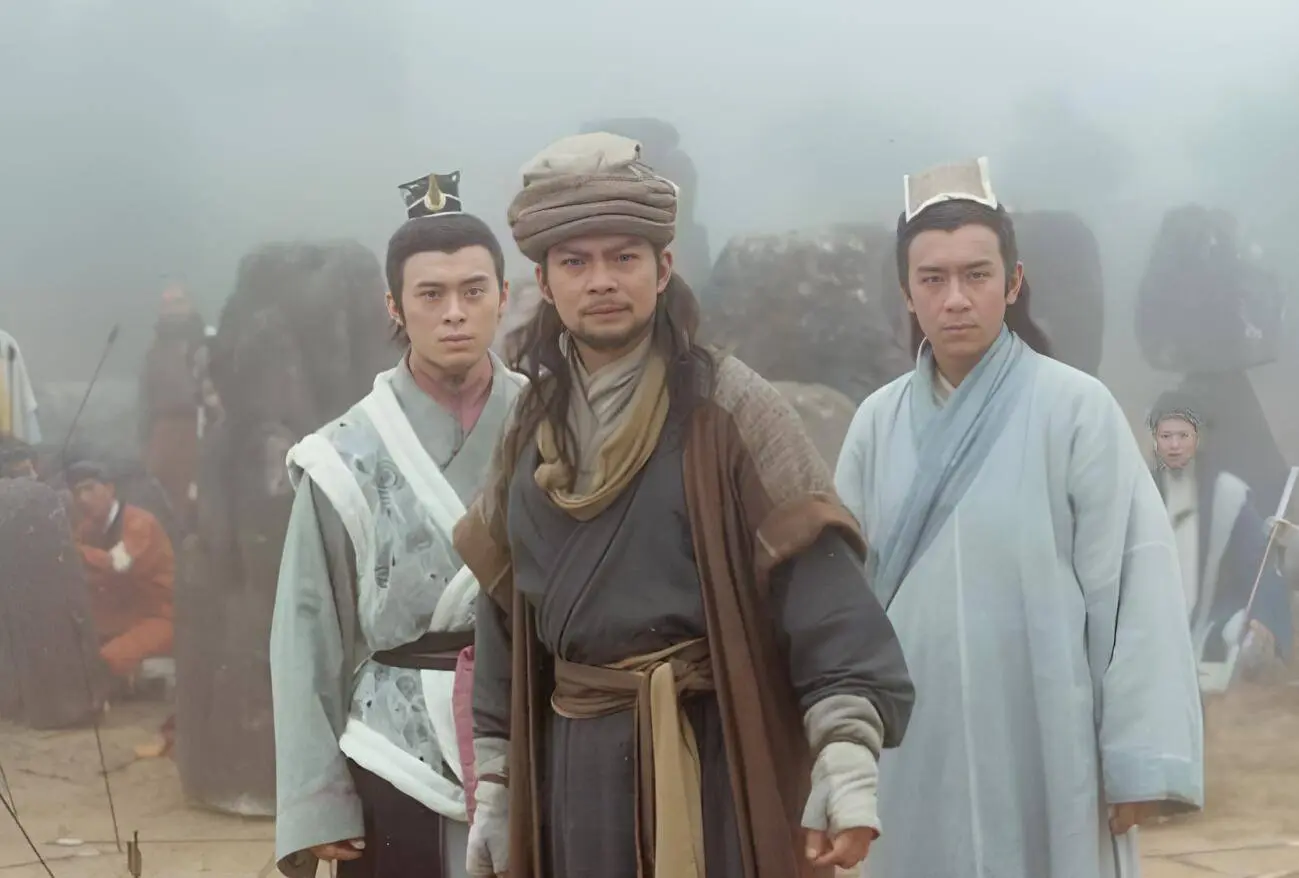
However, judging by Duen Yu’s actions, he seemed not to place too much emotional weight on this sworn brotherhood. Their bond was forged during the battle at Shaolin Temple. Amidst the chaos and smoke of war, they came to understand and trust one another deeply. Their brotherhood was profound.
The three originally planned to roam the martial world together. Unexpectedly, Xiao Feng was gravely wounded and eventually died. Sadly, after Xiao Feng’s death, Duen Yu and Hu Zhu promised to stand by each other through life and death, but ultimately they failed to meet Xiao Feng’s expectations. Afterwards, both had to shoulder many responsibilities unwillingly. Hu Zhu even faced a major calamity in his life.
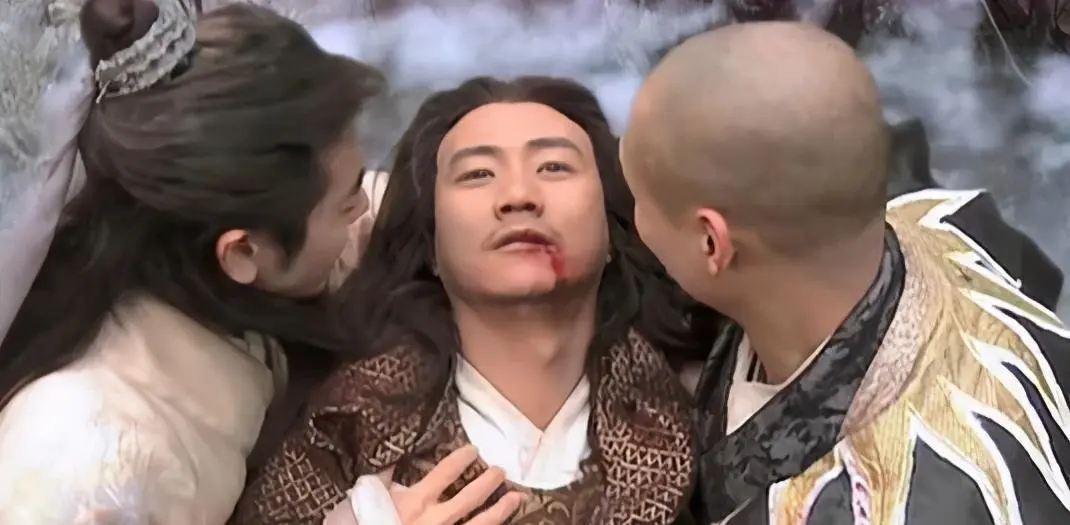
Regarding Hu Zhu’s martial arts, his inner strength was profound. He was a character very difficult to defeat in the martial world. Many masters struggled to overcome him. This shows Hu Zhu’s resilience and extraordinary skills. However, his status as the prince consort of Western Xia acted like shackles binding his fate. Being Western Xia’s prince consort meant he had to remain loyal to the Western Xia government, which conflicted seriously with the Song Dynasty.
Historically, the Song Dynasty and Western Xia clashed multiple times. So Hu Zhu’s position as Western Xia’s prince consort inevitably made him an enemy of the Song. If Duen Yu insisted on avenging Hu Zhu, it would bring huge consequences. Although Dali was small, confronting a powerful empire like Song would likely make it a target. Duen Yu could not bear such responsibility.
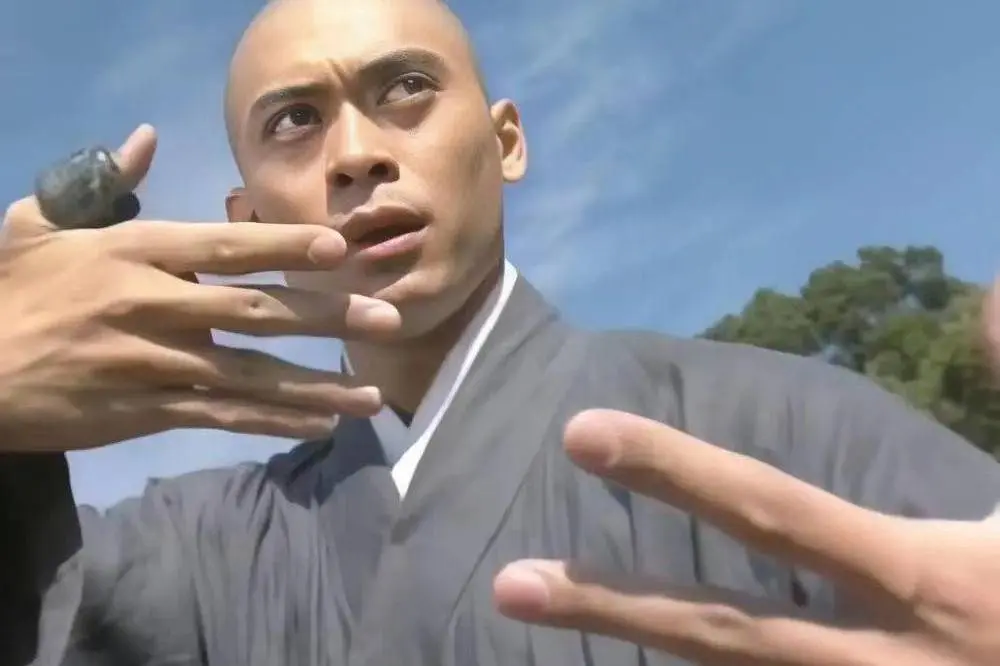
Duen Yu’s decision not to avenge Hu Zhu triggered a chain reaction beyond his expectations. The outcome was unbearable for him. Based on clues in the original story, it’s very likely Hu Zhu was killed by the famous Song general Han Shizhong. Han Shizhong, depicted in The Legend of the Condor Heroes, was a highly skilled and renowned warrior. A duel between Hu Zhu and Han Shizhong would have been fiercely contested.
The Song historical records do mention Han Shizhong once beheading a Western Xia prince consort. This matches Hu Zhu’s identity. Despite his supreme martial arts, Hu Zhu was still vulnerable facing thousands of cavalry on the battlefield. Han Shizhong was a battle-hardened general with command over troops. Though Hu Zhu was Western Xia’s prince consort, he could not escape the fate tied to his position.
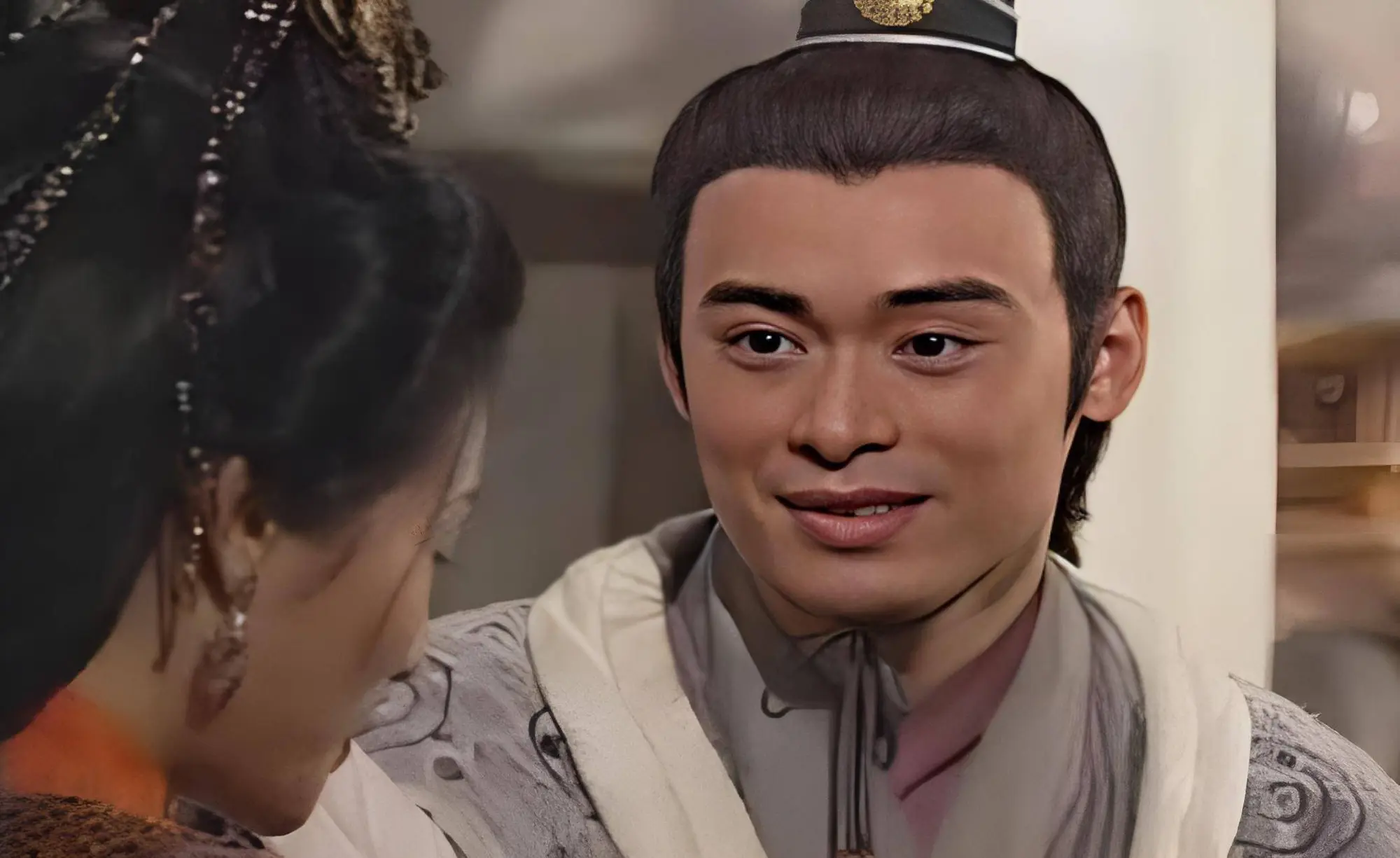
This is the deeper reason why Duen Yu did not seek revenge for Hu Zhu. Avenging him could have cost Duen Yu his life and dragged him into endless conflict. Given his bond with Xiao Feng and Hu Zhu, Duen Yu would never stand by and watch his sworn brothers be killed without acting. But in reality, he never even had the chance to investigate the true cause of his brother’s death. This helplessness is like knowing a loved one’s death was a conspiracy but being powerless to seek justice. As the only surviving brother of the three, having witnessed the loss of two sworn brothers, the pain in Duen Yu’s heart is unimaginable.
More than hating those who took his brother’s life, Duen Yu resented himself even more. It wasn’t that he didn’t care about his brother’s death, but he understood his limits. Though he knew his brother’s death was unrelated to him, the brotherhood became a chain restricting his life choices. Still, he never regretted swearing brotherhood with these two.
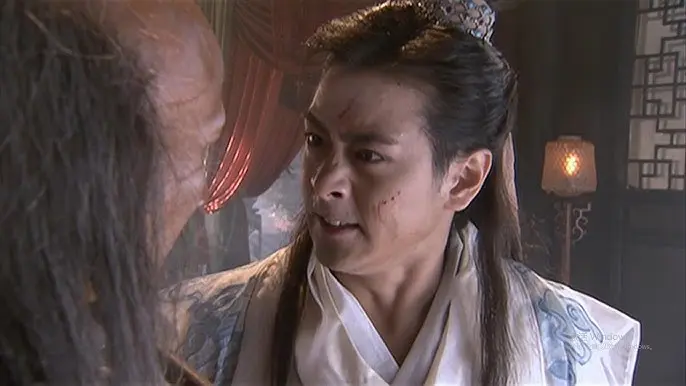
Later, although he did not avenge Hu Zhu, Duen Yu chose to become a monk, renouncing worldly life. He ended his carefree and romantic youth, retreating from the world. The novel doesn’t clearly state whether Hu Zhu’s death influenced this decision, but looking back, it makes perfect sense as the most profound turning point in his life.
Sources: Sohu, Sina, 163