


In the Romance of the Three Kingdoms, Guan Yu is the symbol of loyalty and righteousness, while Zhao Yun is often seen as a secondary general. Yet in Vietnam, many hold a special affection for Zhao Yun, a man of few words and modest achievements, but one who commands respect across generations.
Why does a quiet warrior like Zhao Yun win more Vietnamese hearts than Guan Yu, who is revered as the martial saint of China?
Zhao Yun, The Silent Hero Who Never Boasts
Zhao Yun (also known as Zhao Zilong) appears later in the Romance of the Three Kingdoms, but every time he goes into battle, author Luo Guanzhong describes him with words full of valor. From the Battle of Changban where he single-handedly rescued the young lord A Dou surrounded by Cao Cao’s forces, to the image of him clad in shining silver armor, Zhao Yun is portrayed as a perfect figure, loyal, brave, and embodying the noble spirit of a gentleman.
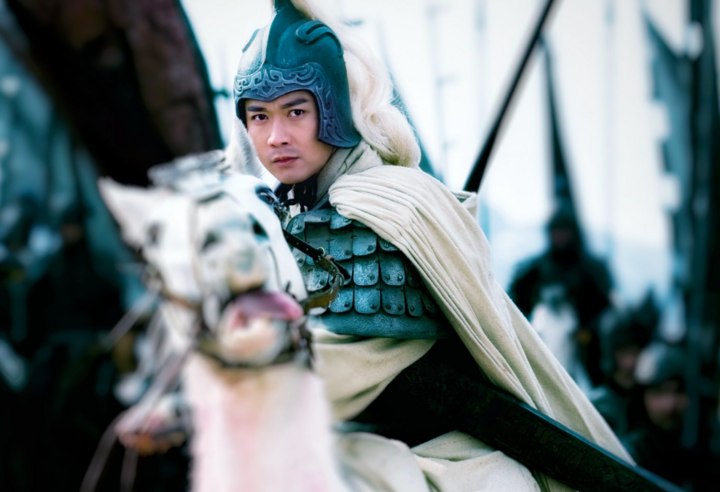
But what truly endears Zhao Yun to Vietnamese people is not just his strength, but how he conducts himself. While Guan Yu is often proud and boastful, Zhao Yun remains humble, never flaunting his achievements or competing for credit. His famous saying, “My merits are all the lord’s merits,” reflects a pure spirit of loyalty, a value deeply cherished by Vietnamese culture.
If Guan Yu represents the loyalty of Chinese scholars, Zhao Yun closely aligns with the Vietnamese ideal of devotion, wholeheartedly loyal to the king and caring for the people, without seeking glory.
Guan Yu, Over-Mythologized and Distant to Vietnamese Fans
Guan Yu is worshipped across China as the “Martial Saint.” However, this deification makes him feel distant to Vietnamese readers. His portrayal in the Three Kingdoms can be rigid, elevating honor to an extreme. For example, he once refused to rescue Liu Bei because he had promised Cao Cao loyalty, leading many Vietnamese to see him as placing “small loyalty” above “greater righteousness.”
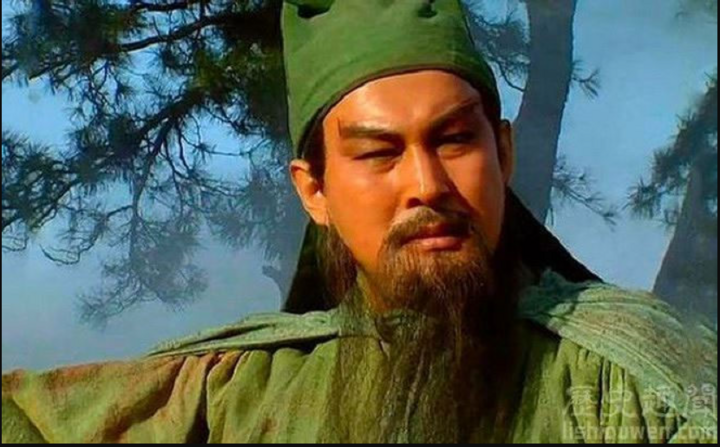
Vietnamese culture values loyalty but is also very pragmatic. People admire heroes who fight for the greater good, balancing emotion, reason, and humanity. That’s why Zhao Yun, who saves his lord and people without needing sainthood, resonates more than Guan Yu, who sometimes prioritizes personal honor over collective goals.
Many readers comment that “Zhao Yun feels more Vietnamese than any Shu Han general” because he does not seek fame but simply fulfills his duty.
When Vietnamese See Themselves in Zhao Yun
Since ancient times, Vietnamese culture has emphasized the spirit of “remembering the source when drinking water” and “doing good without expecting credit.” Zhao Yun embodies these qualities fully. After every victory, he defers praise to Liu Bei or Zhuge Liang, never claiming credit himself. Even as Shu’s dynasty declines, he remains loyal and cares for the people without chasing glory.
In contrast, Guan Yu’s actions sometimes come across as arrogant, looking down on Sun Quan, refusing alliances, which led to the loss of Jingzhou. To Vietnamese eyes, this is a mistake of someone who values personal honor over national interest, which is hard to admire.
This makes Zhao Yun a more ideal role model: a hero who is still human, loyal but not blindly so, righteous but not stubborn. He represents the kind of person Vietnamese want to trust, “loyal without extremism, righteous without showiness.”
What’s special is that in Vietnam, Zhao Yun is remembered not for his battlefield feats, but for his way of life. From novels and films to folk illustrations, Zhao Yun’s image is always gentle, with determined eyes and calm posture, closely matching the Vietnamese hero archetype: brave, humble, and kind.
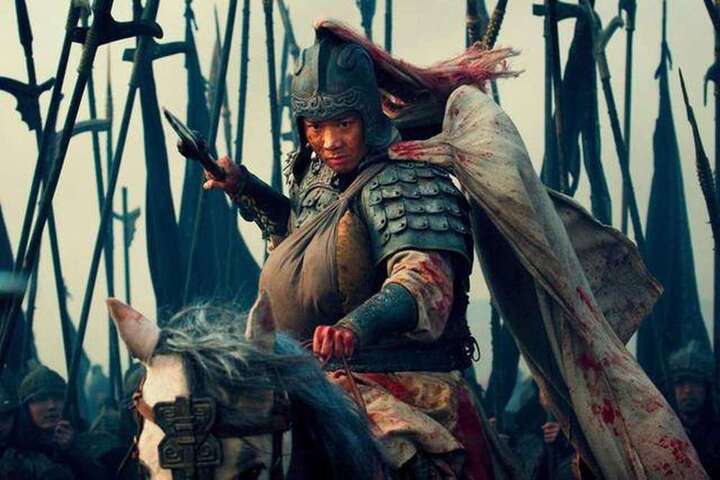
If Guan Yu symbolizes China, where absolute honor and loyalty are prized, Zhao Yun represents Southeast Asia, where people live for righteousness but keep compassion at heart. It’s easy to understand why Vietnamese love Zhao Yun.
In popular culture, Vietnamese Three Kingdoms forums and fan groups often choose Zhao Yun as the symbol of the “ideal hero.” Many say, “Zhao Yun is like Vietnamese soldiers during wartime, no need for sainthood, just remembered for his character.”
The affection for Zhao Yun goes beyond literary preference. It reflects how Vietnamese see themselves. In a society that values humility and honesty, Zhao Yun is a shining example of “loyal without fanaticism, brave without cruelty.”
Perhaps that’s why, in the hearts of many Vietnamese readers, Zhao Yun is not just a Shu Han general but a very Vietnamese hero, one who fights and sacrifices quietly, without seeking praise, only doing what is right.