


Japanese pop culture has long influenced mainstream cinema, even before anime and manga became widely recognized. A classic example is Akira Kurosawa’s 1958 film The Hidden Fortress, which deeply inspired Star Wars.
Yet it’s impressive to see many critically acclaimed gems, blockbusters, and fan favorites drawing inspiration not only from anime but also from manga.
Manga’s unique visual style and ability to streamline storytelling have attracted filmmakers, with many citing manga’s imagery as a key influence on their films.
1. Road to Perdition (2002)
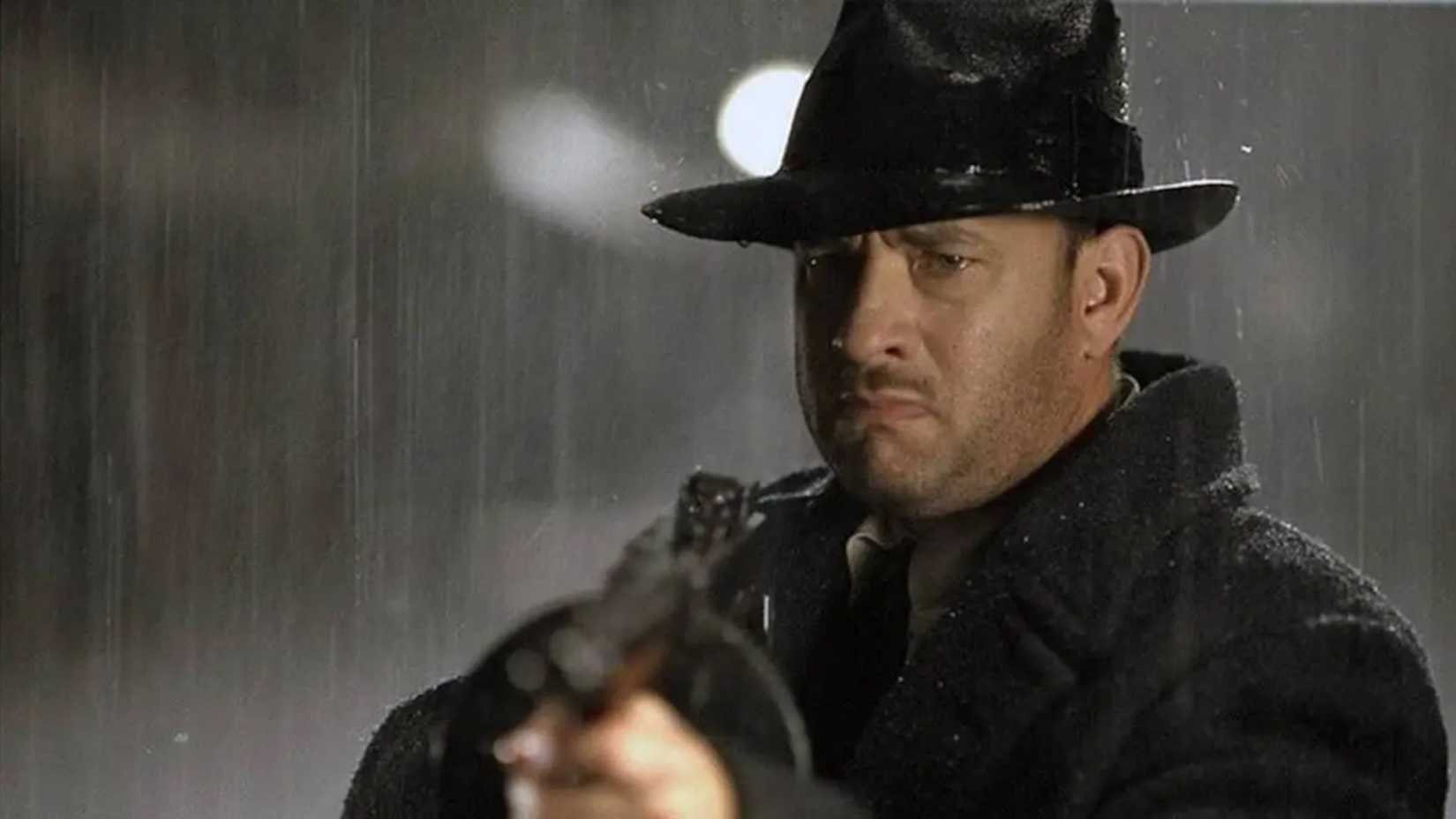
While based on a DC Comics graphic novel, Road to Perdition’s roots trace deeper to manga. The original comic’s creator Max Allan Collins confirmed to the BBC in 2002 that it was inspired by Lone Wolf and Cub (Kozure Ōkami), a manga about a samurai assassin on a revenge journey with his son.
This motif of a grown man protecting a child on a perilous path has since appeared in many popular works. Road to Perdition earned over $180 million and received critical acclaim.
2. Clash of the Titans (2010)
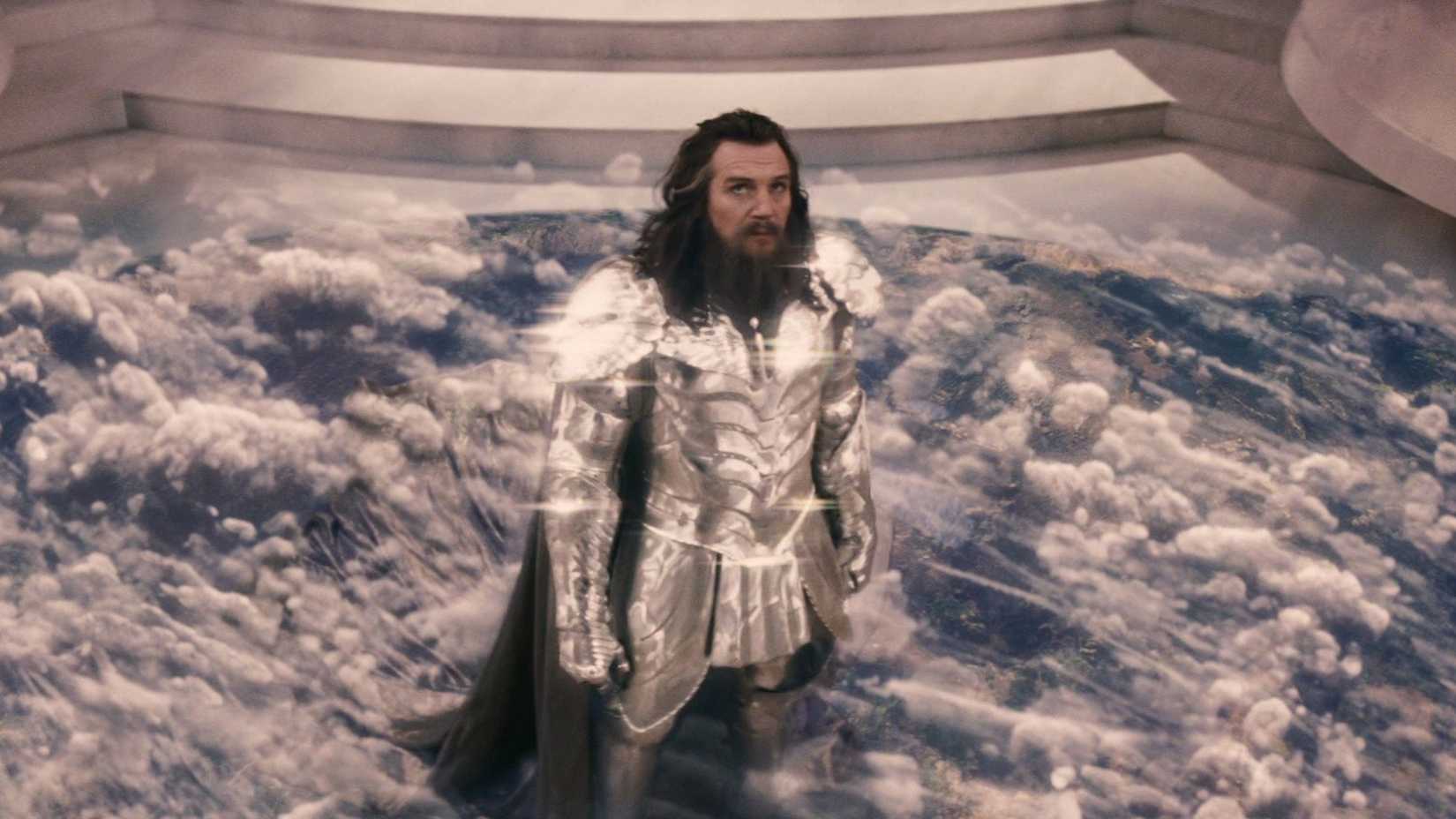
This 2010 remake of the 1981 film was a box office hit. Although based on Greek mythology, its visual style was heavily influenced by the anime and manga Saint Seiya.
The gods’ armor closely resembles the glowing Cloth armors from Saint Seiya. The original Saint Seiya artist was even hired to create promotional posters for the film.
3. Scott Pilgrim vs. The World (2010)
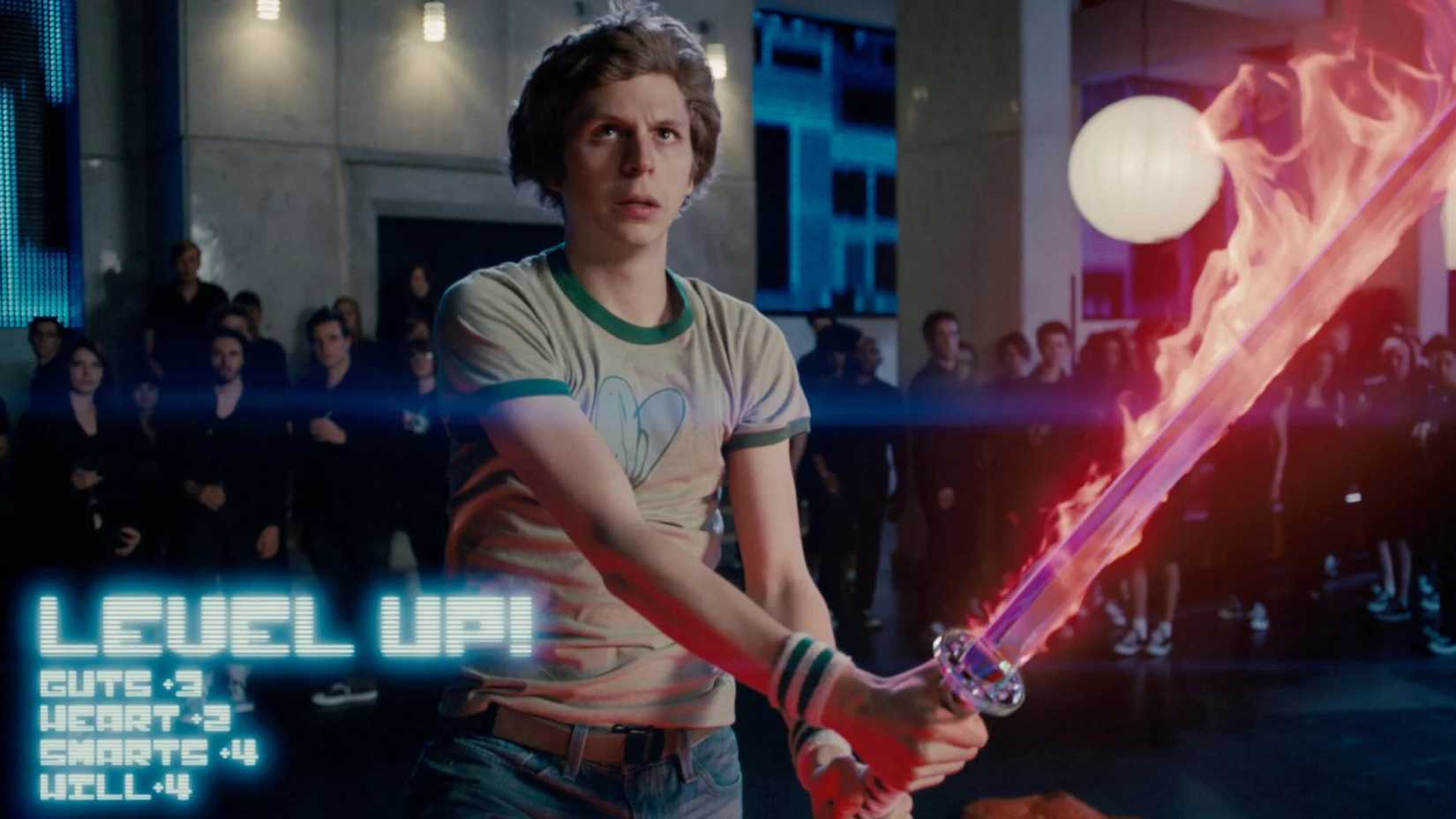
Though not directly based on a specific manga, Scott Pilgrim draws heavily from many manga hits like Ranma 1/2 and works by Yuji Iwahara and Osamu Tezuka. Creator Bryan Lee O’Malley confirmed this influence, with the film reflecting shōnen battle tropes and Naruto-like references throughout.
While it didn’t become a blockbuster, Scott Pilgrim remains a cult favorite over fifteen years after release.
4. Alita: Battle Angel (2019)
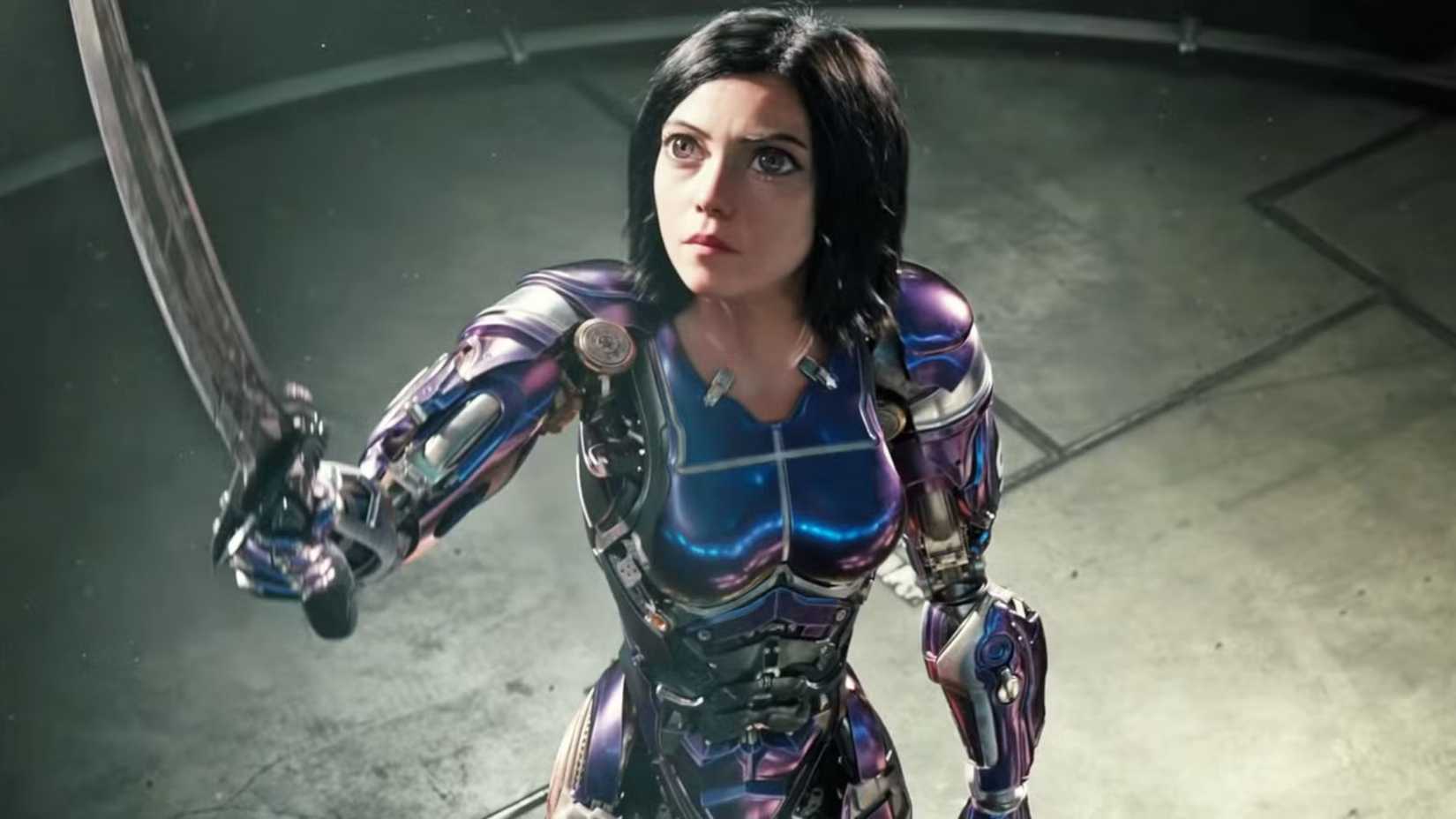
For fans of Yukito Kishiro’s manga, Alita: Battle Angel is the most recent cyberpunk manga adaptation by Robert Rodriguez. The film is praised for its faithful respect to the source, far surpassing the live-action Ghost in the Shell.
Despite high production costs, a sequel has been confirmed, exciting fans of manga adaptations.
5. City Hunter (1993)
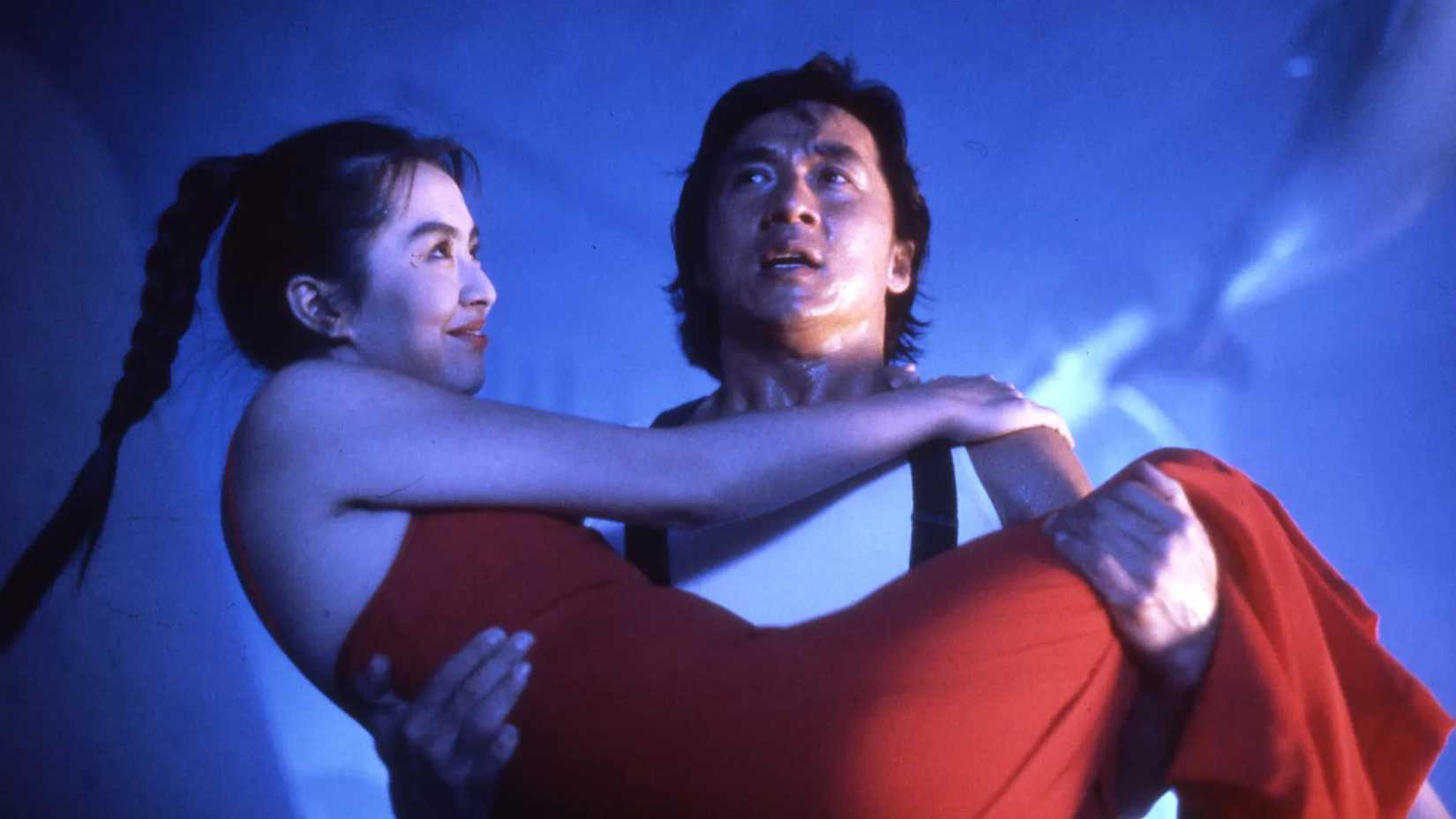
Fans of modern Shonen Jump adaptations might be surprised by the global popularity of earlier works. City Hunter is a prime example: this 1993 Hong Kong action-comedy starring Jackie Chan became one of the region’s top-grossing films that year.
It shows the enduring worldwide appeal of Shonen Jump across generations.
6. Battle Royale (2000)
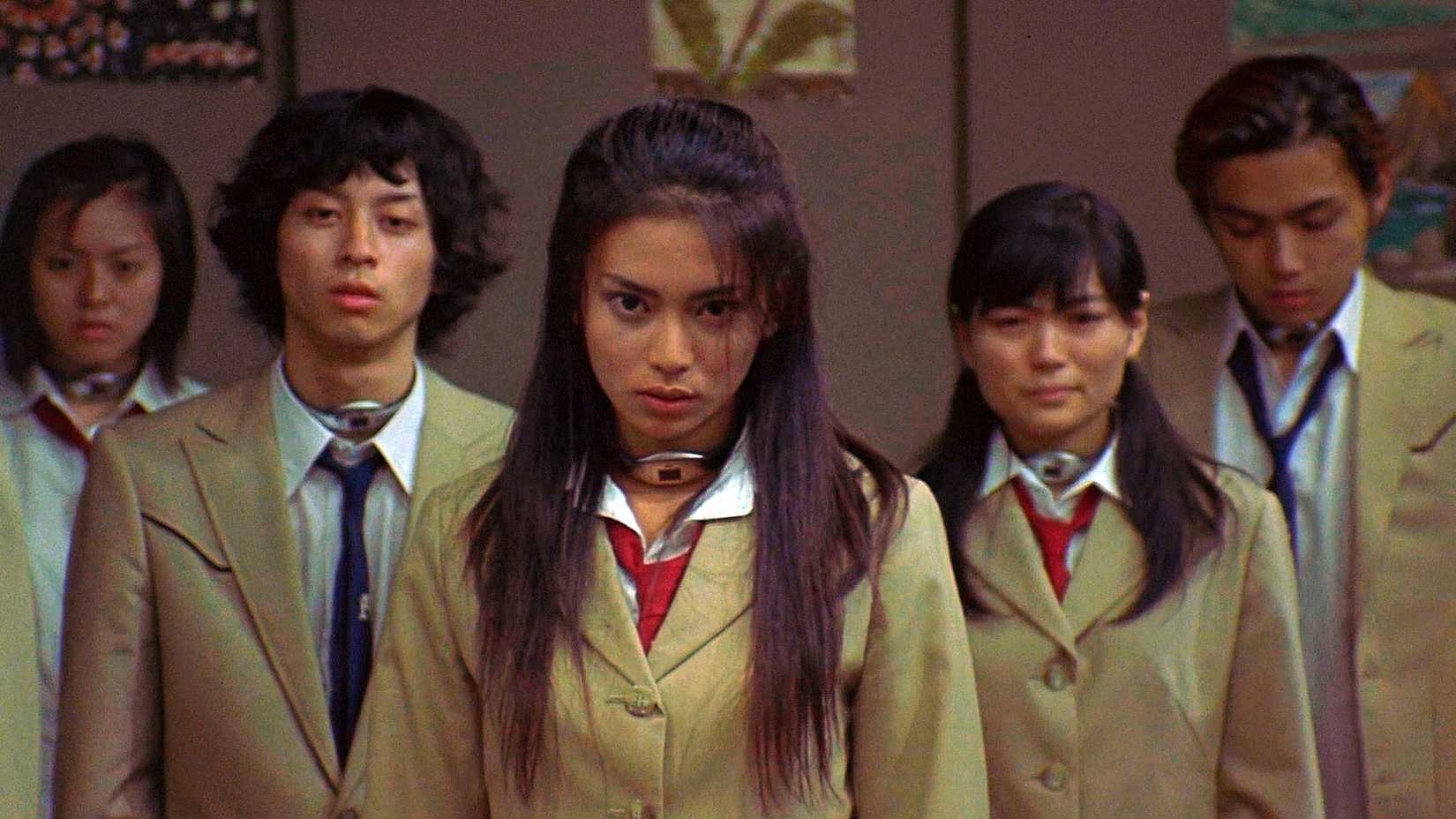
Although based on a light novel, Kōshun Takami’s Battle Royale is a landmark in exporting Japanese culture’s death game genre. Its influence was so strong that its manga inspired the 2021 hit Squid Game.
Battle Royale is widely loved by filmmakers like Quentin Tarantino for its bold storytelling that mixes sharp social commentary with raw violence.
7. Edge of Tomorrow (2014)

Another American adaptation of a light novel, Edge of Tomorrow stars Tom Cruise and Emily Blunt in a military sci-fi story featuring a time loop. It’s based on the novel All You Need Is Kill.
Though not a perfect match to the book, William Cage’s time-loop adventure remains a highly entertaining film.
8. Oldboy (2003)
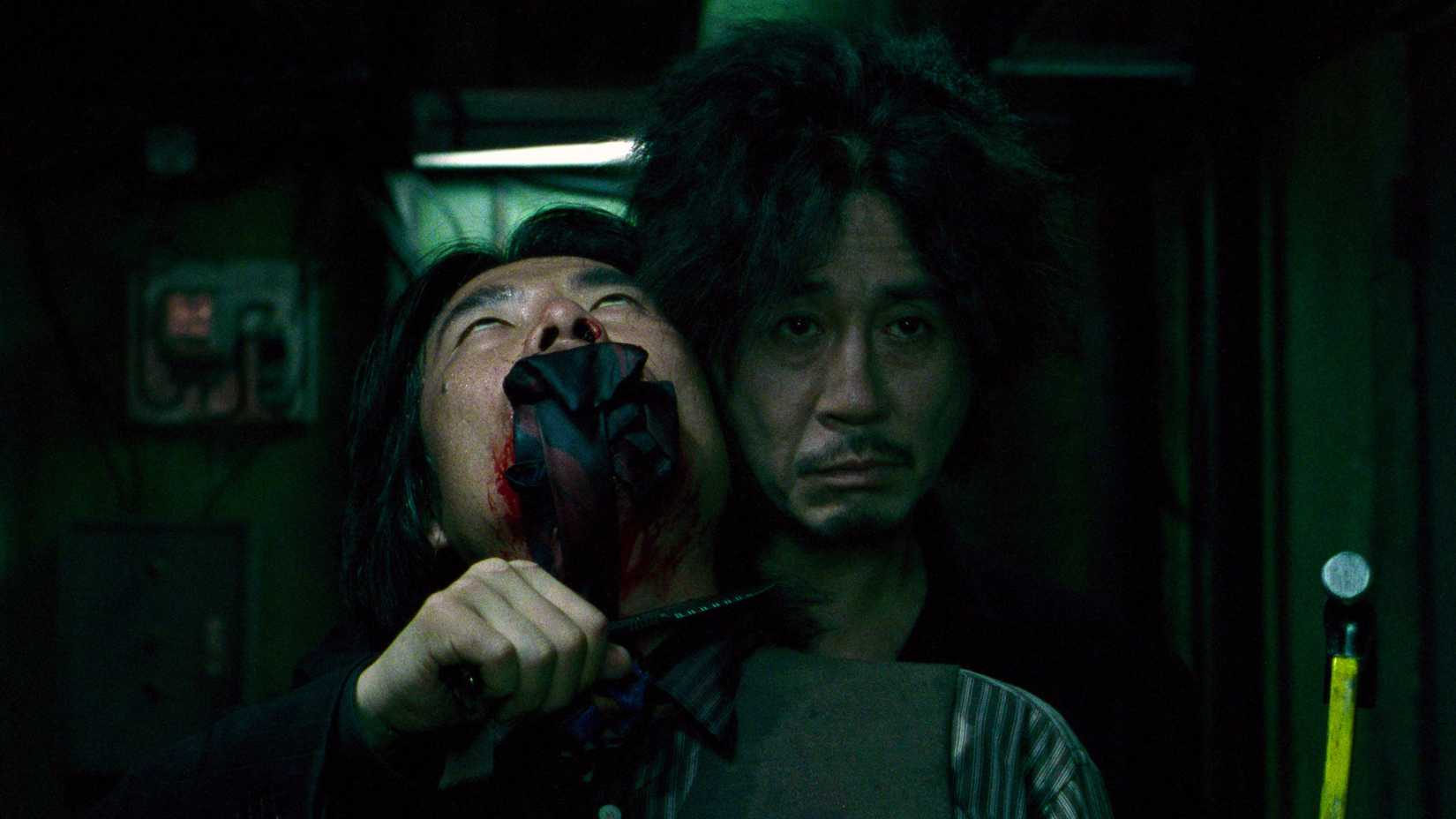
Despite negative stereotypes about manga adaptations, a skilled director can turn even a loose adaptation into a masterpiece. Park Chan-wook’s Oldboy manga adaptation is a prime example.
Oldboy is a visual storytelling triumph about a man imprisoned for 15 years who embarks on a dark revenge journey upon release. The film captures Oh Dae-su’s character faithfully to the manga while showcasing the director’s unique style. It’s a harrowing tale of trauma and the cost of vengeance.