


The 2020s have delivered some of the best anime in history, featuring standout titles like Oshi no Ko, Bleach: Thousand-Year Blood War, and Bocchi the Rock!. However, not every project lived up to public expectations. Many promising series ended up among the biggest disappointments of this era.
1. Magical Destroyers
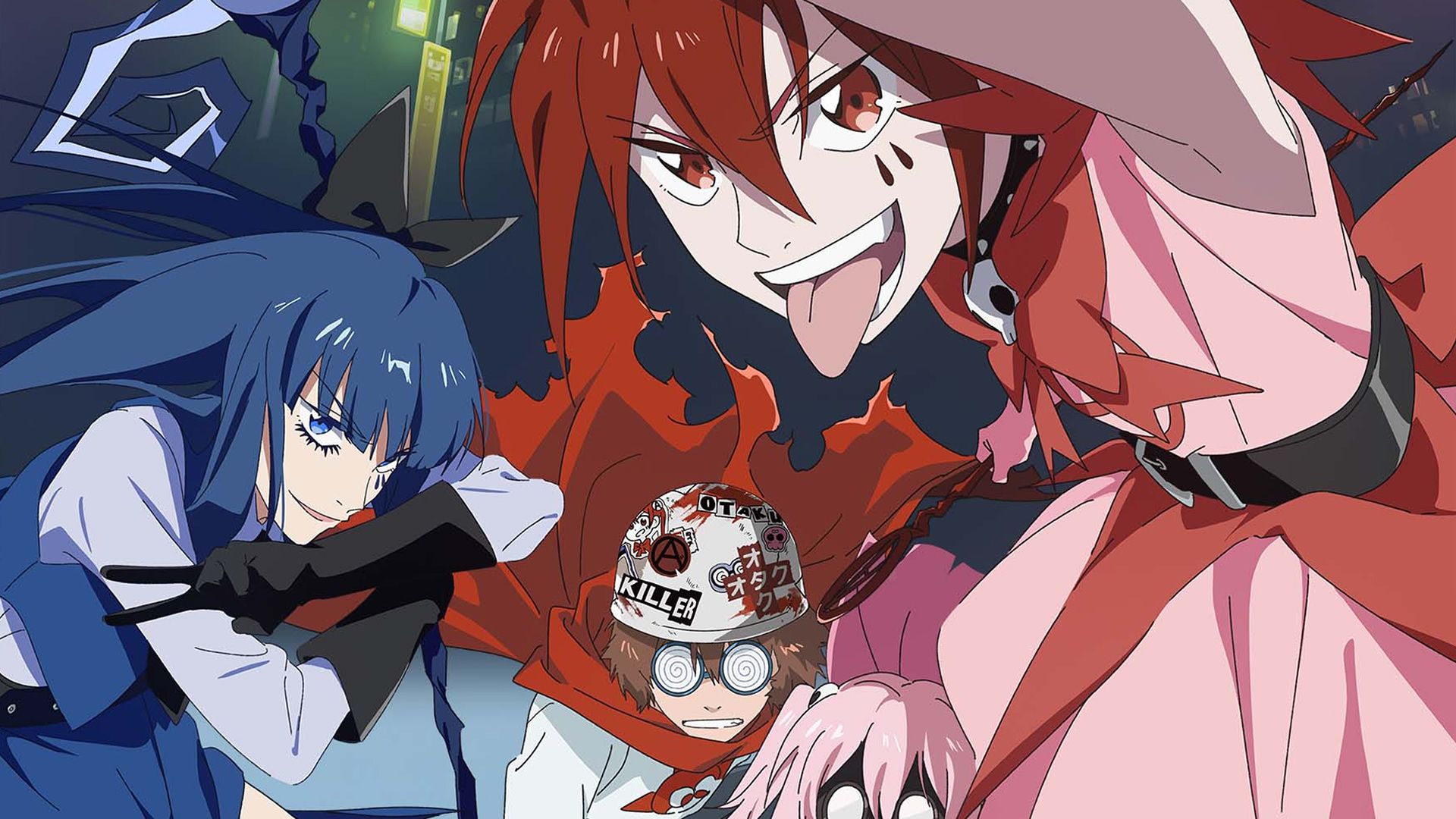
Magical Destroyers focused on otaku culture with anarchic comedy aimed at satirizing social conformity. Yet, the series struggled to maintain coherence and fully utilize its premise, resulting in a disjointed and inconsistent experience despite its bold artistic intentions.
2. Wonder Egg Priority
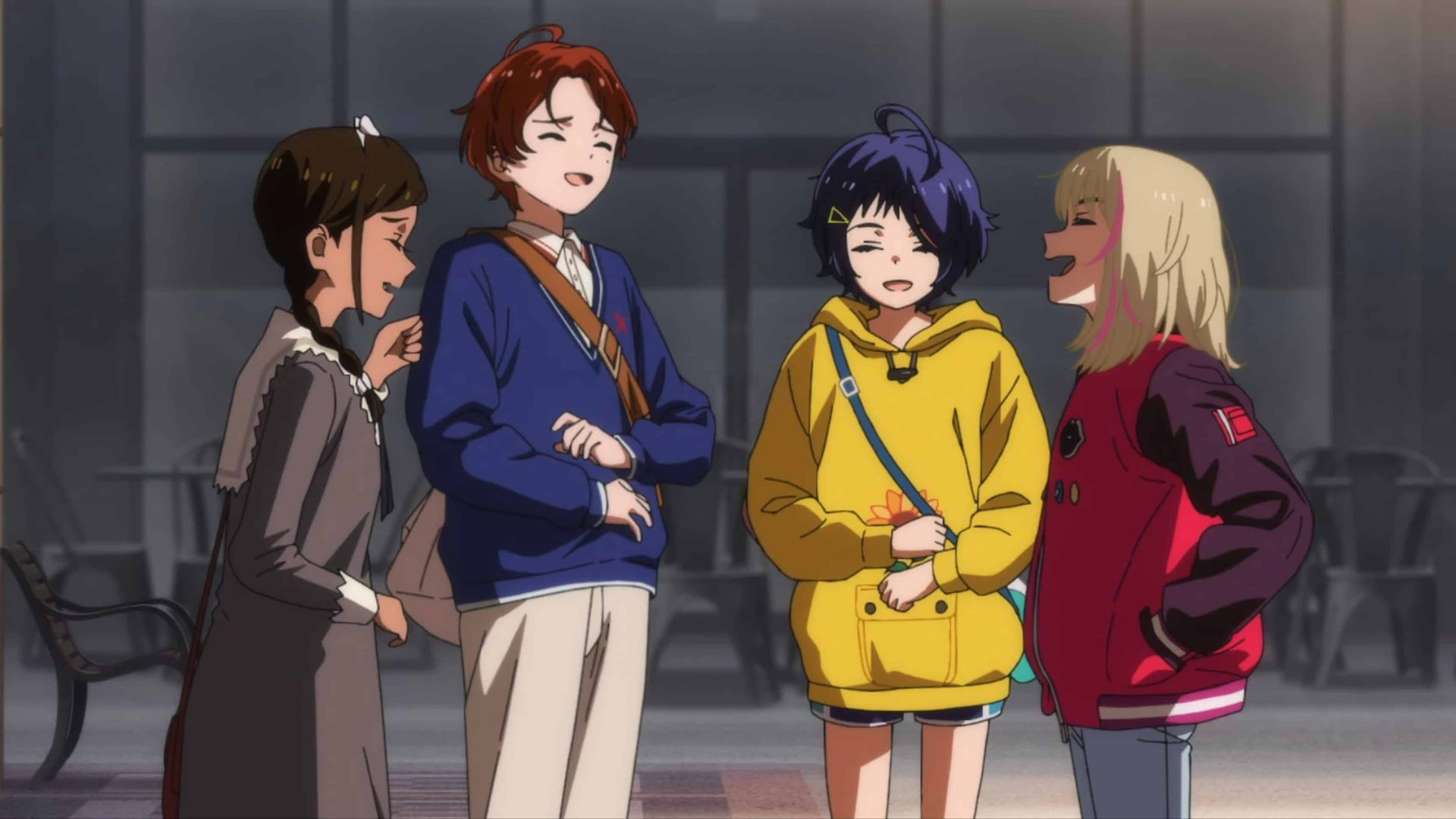
The psychological drama Wonder Egg Priority tackled heavy themes like loss and trauma with rare emotional depth. Although it started strong with stunning visuals and artistic storytelling, production issues in the latter half forced a rushed and abrupt ending. This cut-short finale derailed the story’s focus and weakened its original message, leaving viewers with a disappointing and inconsistent conclusion to what could have been a classic.
3. Devil May Cry
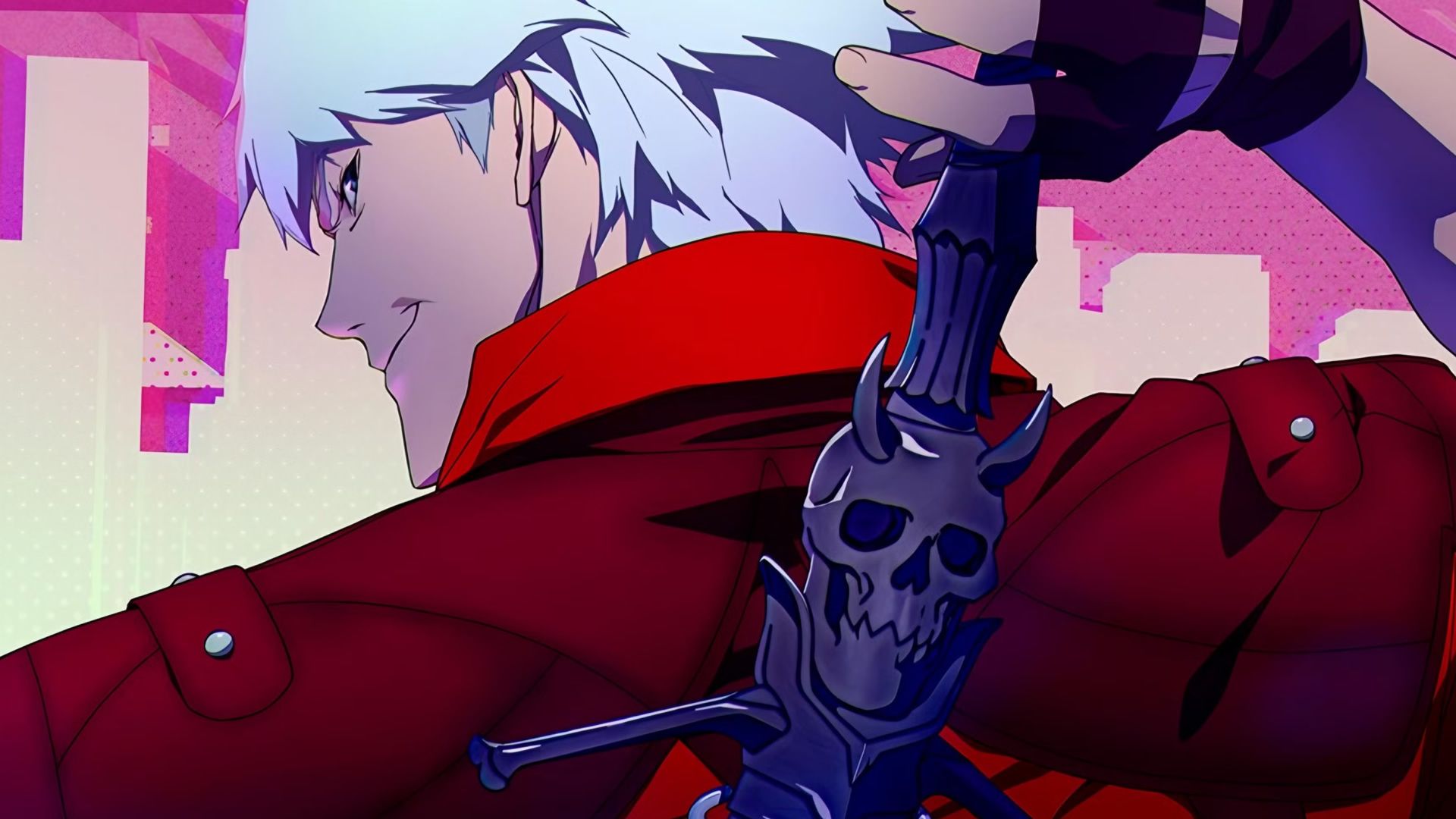
The Devil May Cry anime adaptation failed to capture the impact of the original game series. Despite some visually appealing moments, the show was criticized for uneven animation, overuse of CGI, and straying from the strong tone and style that defined Dante’s character. It lacked the thrilling action and signature coolness that fans expected.
4. RWBY: Ice Queendom
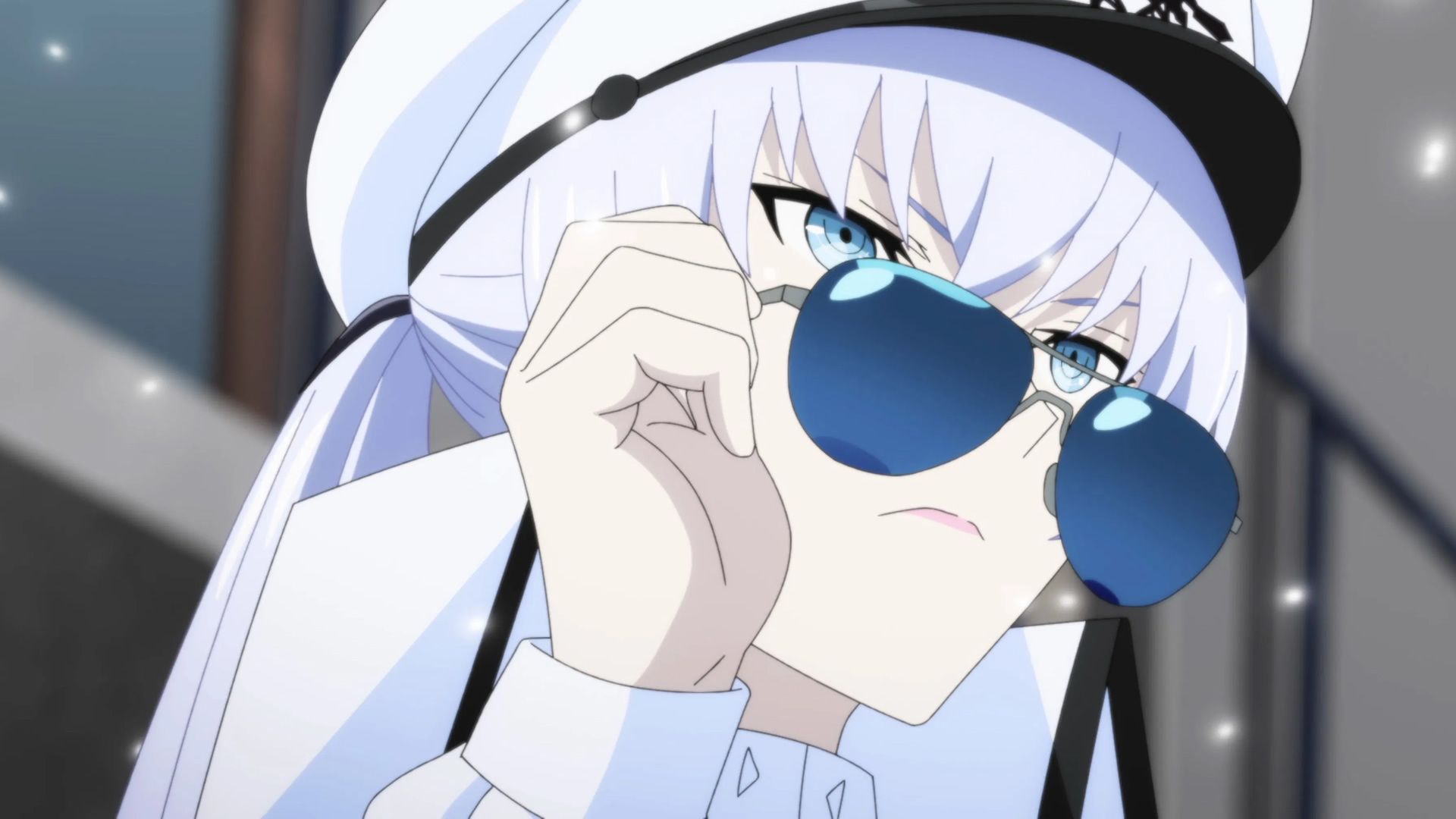
Based on Monty Oum’s original work, RWBY: Ice Queendom delivered notable visuals but lost much of the charm and humor that made the original series beloved. Its more serious tone and slower pacing failed to connect with audiences.
5. Whisper You a Love Song

Whisper You a Love Song aimed to bring fresh energy by blending music themes with school romance. However, it failed to stand out among countless similar works. The plot was predictable and linear, lacking the breakthroughs needed to leave a strong impression. Without the expected emotional impact, many viewers were left disappointed, feeling the story would have worked better as a special or short.
6. The Devil is a Part-Timer! Season 2
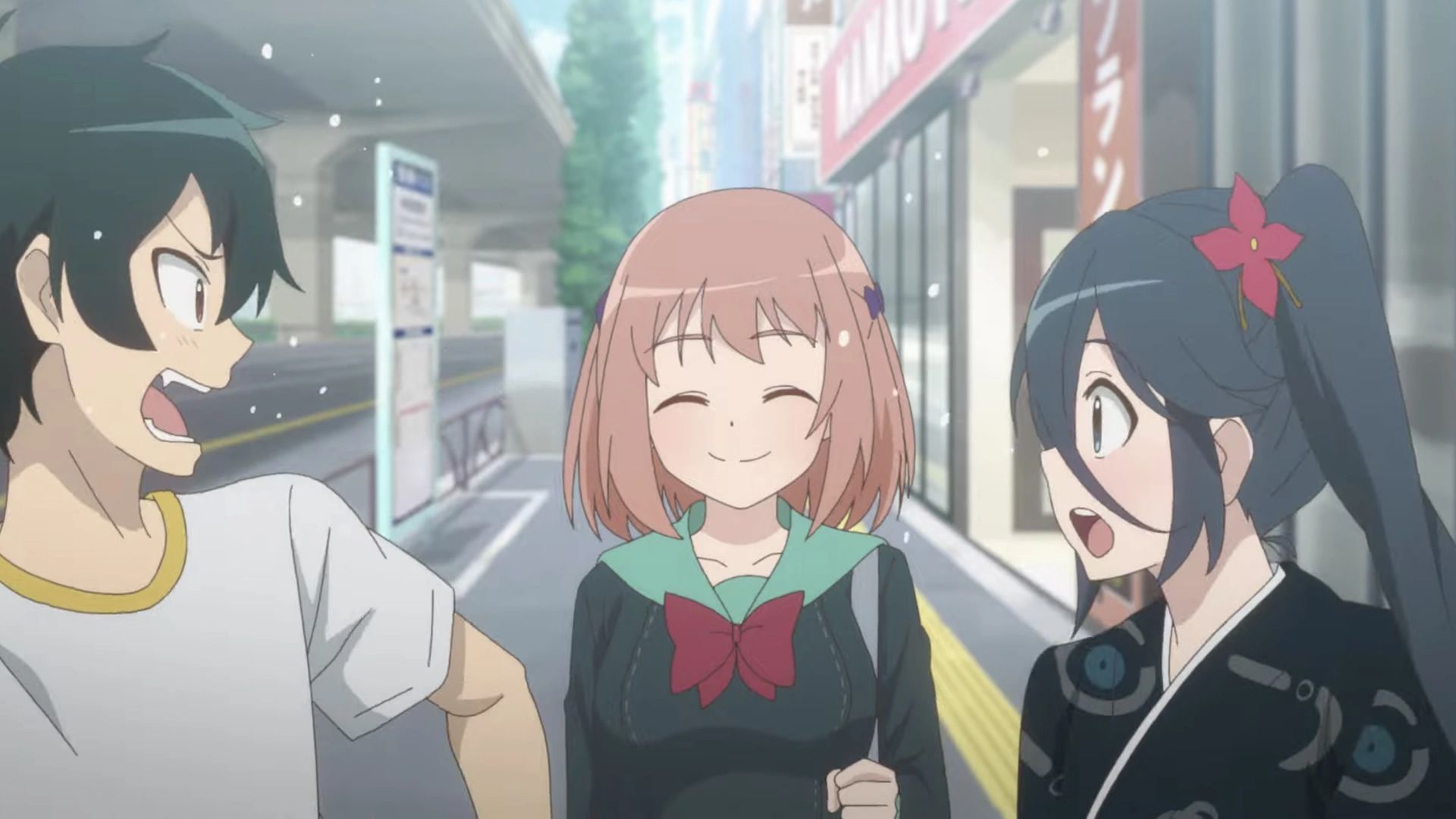
After a long wait, The Devil is a Part-Timer! returned but failed to satisfy fans, even causing major disappointment. Season 2 was criticized for stiff animation and lack of fluidity, falling short of the first season’s quality. Unwanted tonal shifts also diminished the sharp humor and fresh energy that defined the series, making this much-anticipated comeback feel uneven and underwhelming.
7. The Rising of the Shield Hero
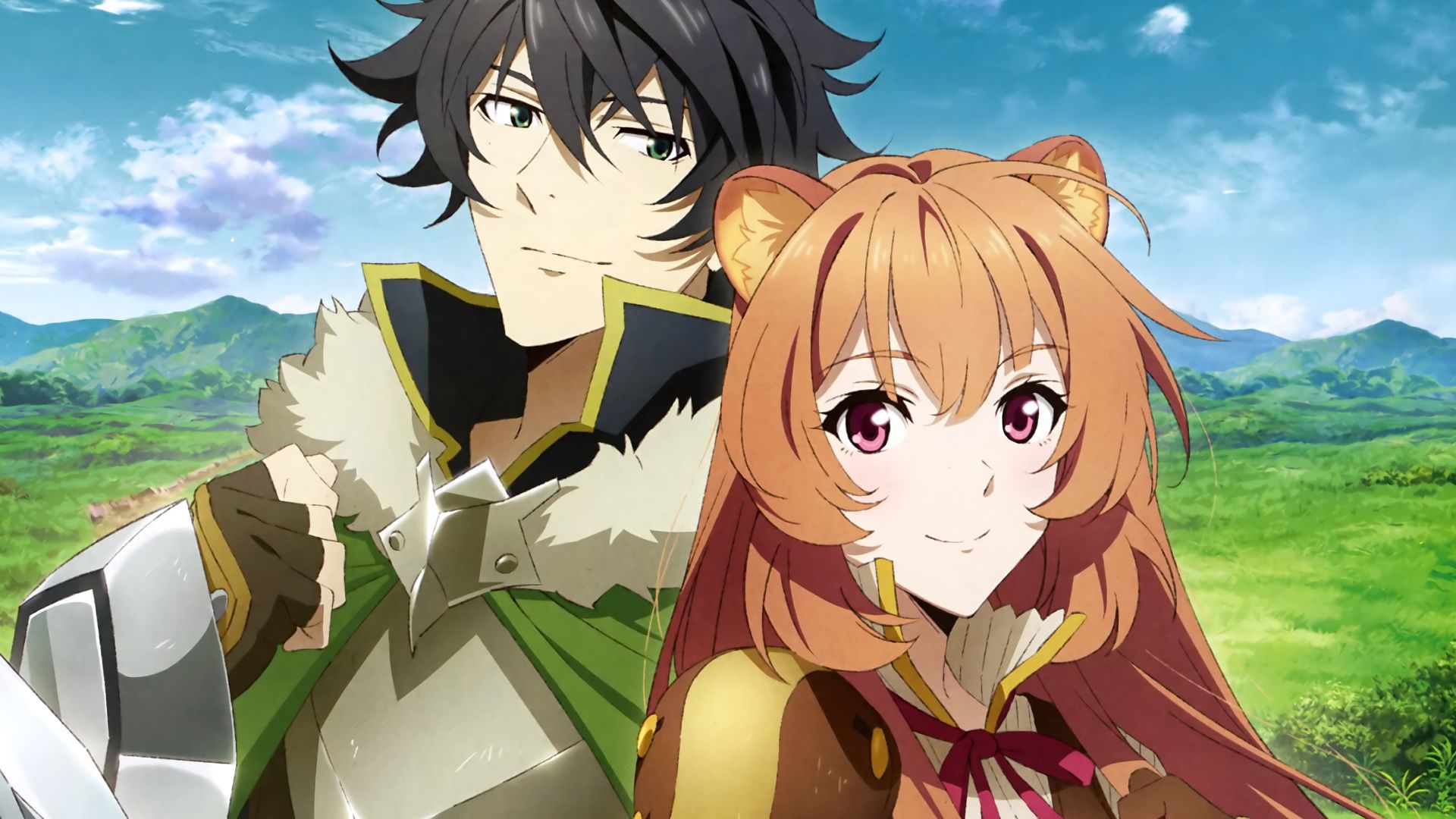
The Rising of the Shield Hero made a strong impression with its dark isekai approach and a unique, disliked protagonist. However, seasons two and three lost direction and failed to maintain that originality. Later storylines became generic with forgettable villains, causing many early fans to abandon the series.
8. The Promised Neverland
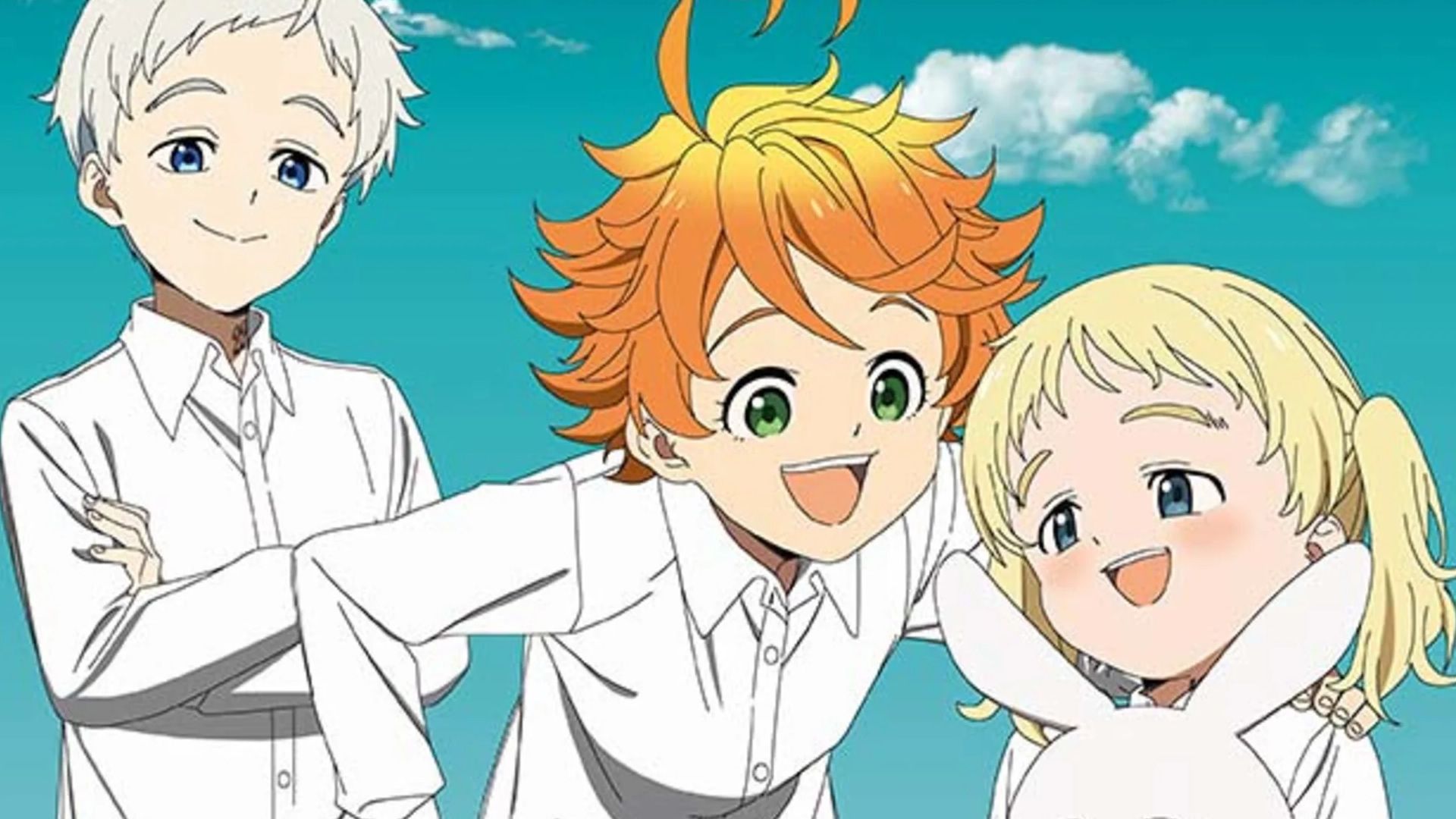
One of the most heavily criticized disappointments was The Promised Neverland. Season two rushed through manga arcs, cutting important moments and condensing the story into just a few episodes. This led to confusing storytelling and an anticlimactic ending.
9. Suicide Squad Isekai
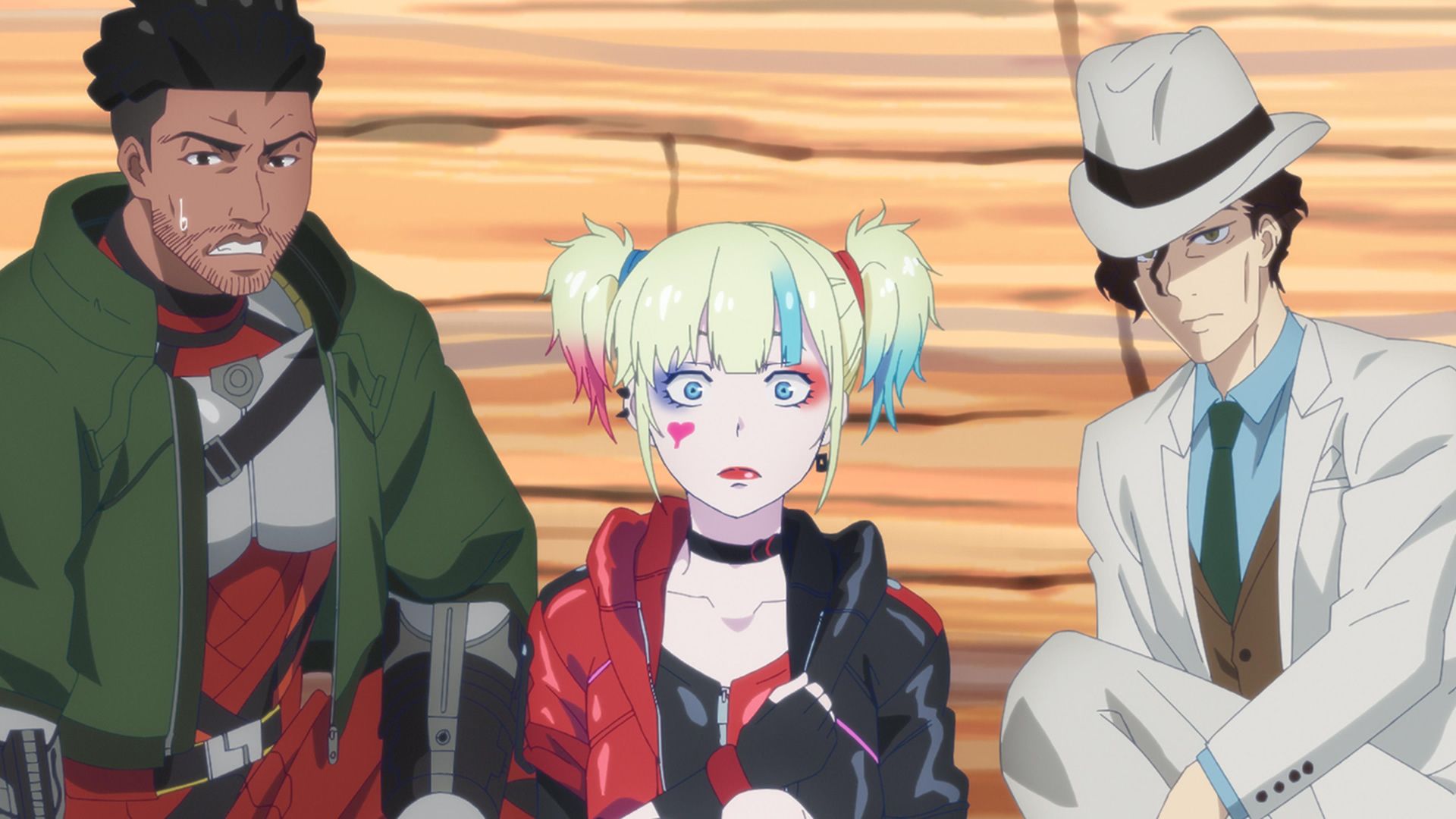
The crossover between DC Comics and isekai raised high hopes, but Suicide Squad Isekai failed to deliver the promised action and chaos. Its conventional storytelling and lack of creative risk-taking strayed from the chaotic tone that defines the main characters.
10. Metallic Rouge
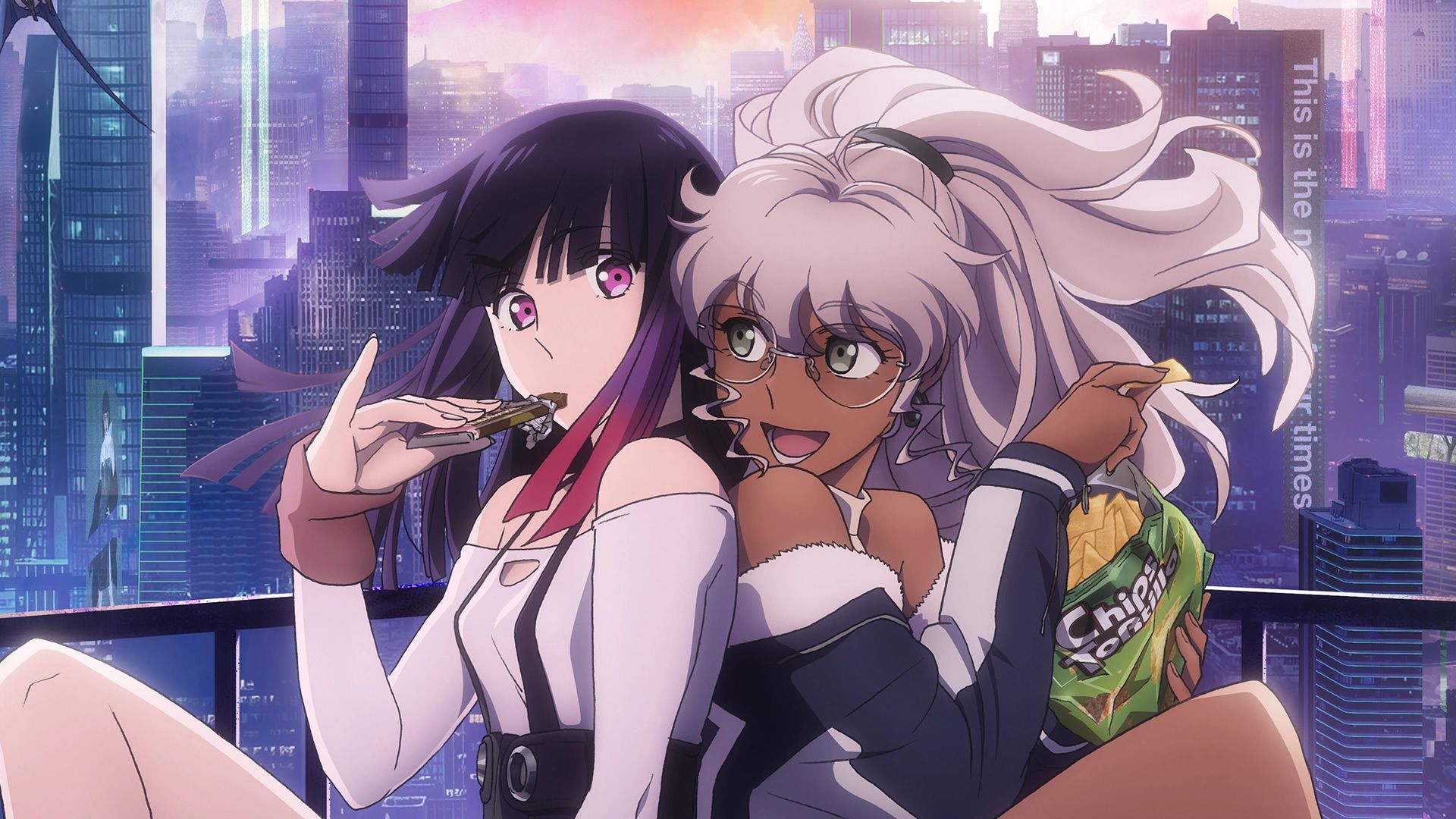
With its cyberpunk aesthetic and AI themes, Metallic Rouge aimed to follow in the footsteps of classics like Ghost in the Shell and Psycho-Pass. However, excessive exposition and poor pacing weakened its impact, making it one of the most questioned releases of the year.