


Jidaigeki, or period dramas, are more than just samurai costume films. They serve as a kaleidoscopic lens reflecting Japanese life before modernization, an era without electric lights, trains, or machines, where farmers, merchants, and swordsmen struggled to survive.
The hallmark of this genre is an extreme attention to detail in set design and costumes. Even mid-tier films can overwhelm viewers with their intricate craftsmanship.
Here are 10 standout titles where cinematography and art direction reach near perfection.
1. Ugetsu (1953)
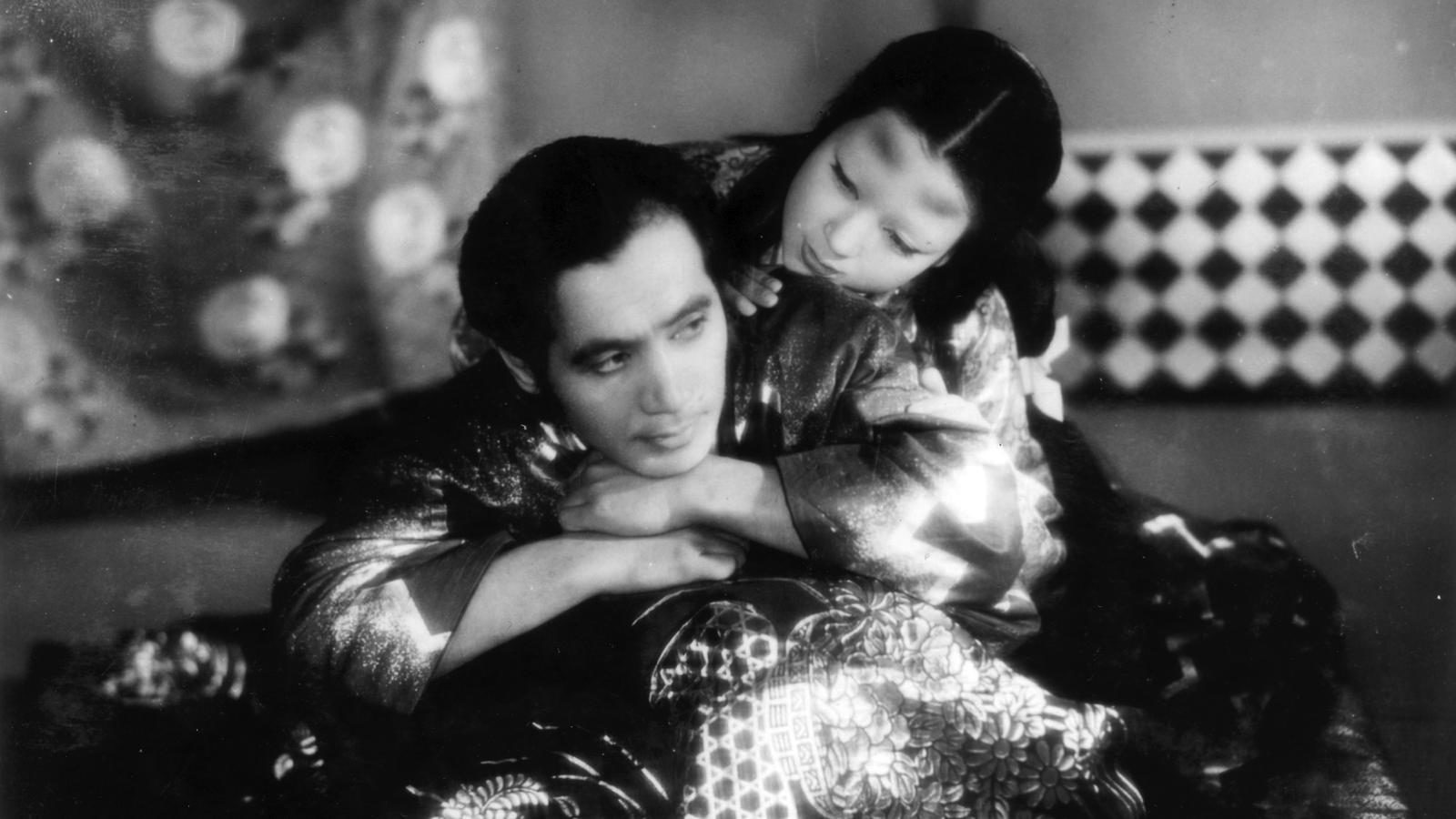
During Japanese cinema’s golden age, director Kenji Mizoguchi crafted a haunting Ugetsu that blurs psychological drama, fantasy, and horror. It tells the story of two men driven by ambition, one yearning for wealth through pottery, the other craving samurai glory.
Mizoguchi masterfully uses light and shadow, shrouding the lake in mist to create a mystical atmosphere that transforms water scenes into surreal spaces. The meticulous costumes and sets do more than beautify, they tell the story.
2. Gate of Hell (1953)
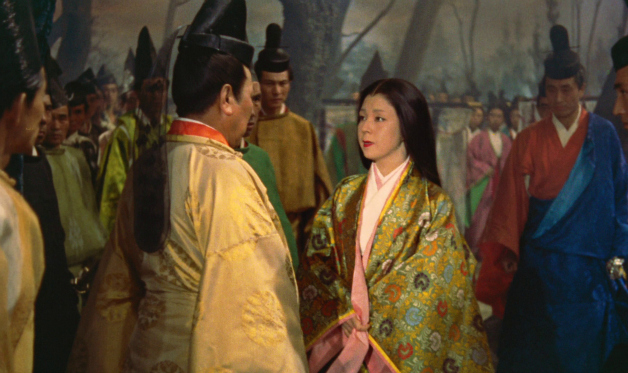
1953 was a landmark year as Gate of Hell won the Oscar for Best International Feature Film. One of Japan’s first color films, it was the first to gain worldwide acclaim.
Director Teinosuke Kinugasa used vibrant greens, blues, oranges, and yellows explosively yet balanced. Rather than focusing on natural beauty, the film highlights the opulence of feudal costumes and interiors, creating a lavish visual banquet.
3. Sansho the Bailiff (1954)
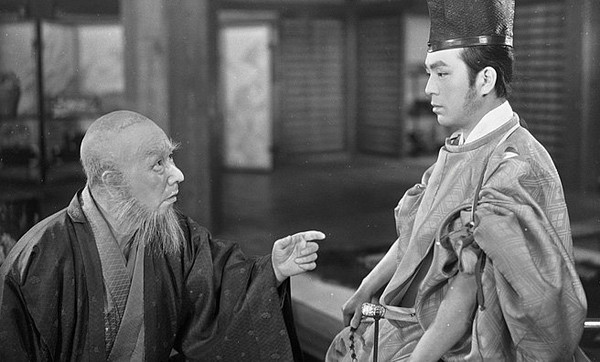
Following Ugetsu, Mizoguchi returned with a grimmer yet heartbreakingly beautiful tale about a family torn apart and sold into slavery after their compassionate governor father is exiled.
The film’s beauty is deceptive. Its most vivid scenes take place in the lavish homes of greedy nobles, serving as a critique of luxury built on the suffering of the poor. With over 30 years of experience, Mizoguchi’s outdoor shots are as precise as a professional photographer’s.
4. Seven Samurai (1954)
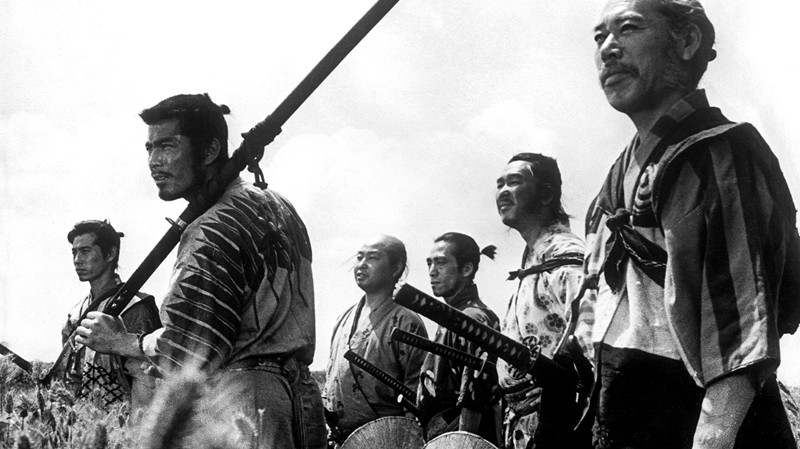
Akira Kurosawa, a legendary director with a background in painting, turned Seven Samurai into a collection of moving paintings. At over three hours long, nearly every frame could stand alone as a work of art.
Kurosawa’s spatial composition and the relationships between subjects in each frame are impeccably precise. Whether a simple grass field or a bustling town, every detail is perfectly arranged.
5. Kwaidan (1964)
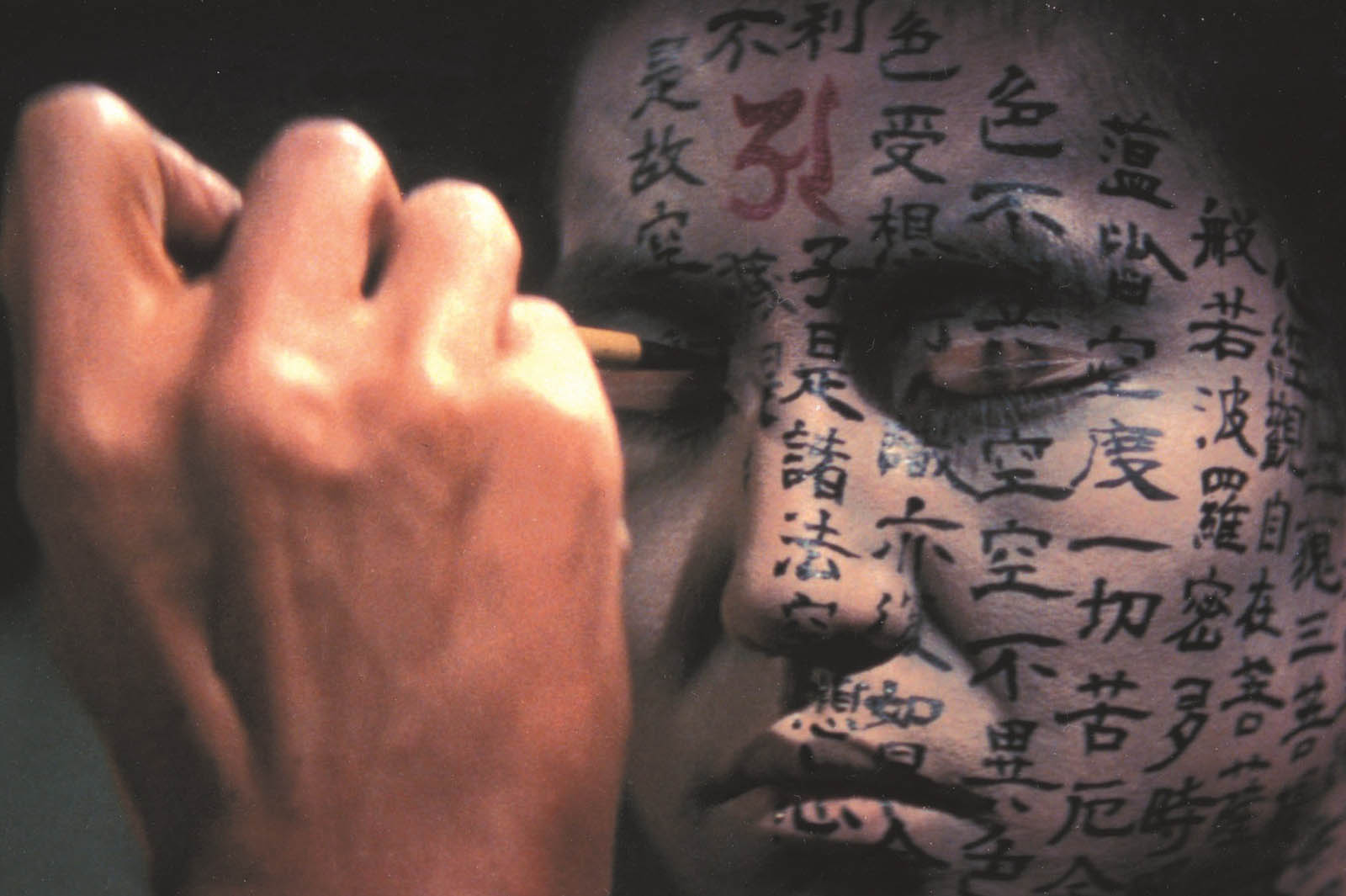
Masaki Kobayashi presented a collection of Japanese ghost stories with a completely unique artistic style. This was his first color film, with each scene built around one or two dominant colors.
Kobayashi boldly incorporated fantastical elements like a “sky full of eyes” to create artistic horror. The theatrical staging gives the film a haunting feel while maintaining emotional authenticity.
6. Red Beard (1965)
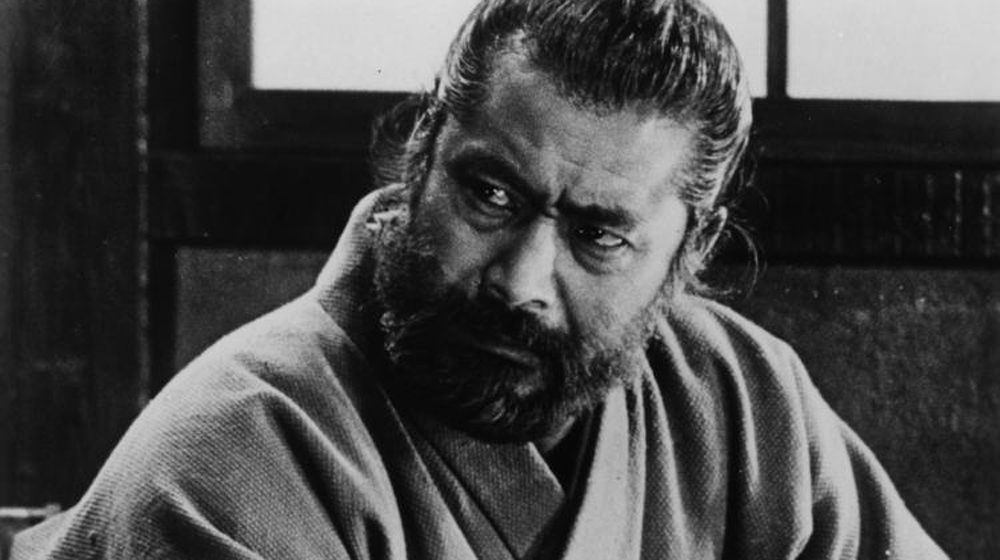
This film represents Kurosawa’s pinnacle in black-and-white cinematography. It follows a proud young doctor who gradually discovers the humanistic value of medical ethics while working at a poor clinic.
Kurosawa perfected visually dense scenes filled with countless shades of black, white, and gray. Despite lacking fiery sword fights, the beauty of the settings and flawless camera work keep viewers mesmerized for three hours.
7. Samurai Rebellion (1967)
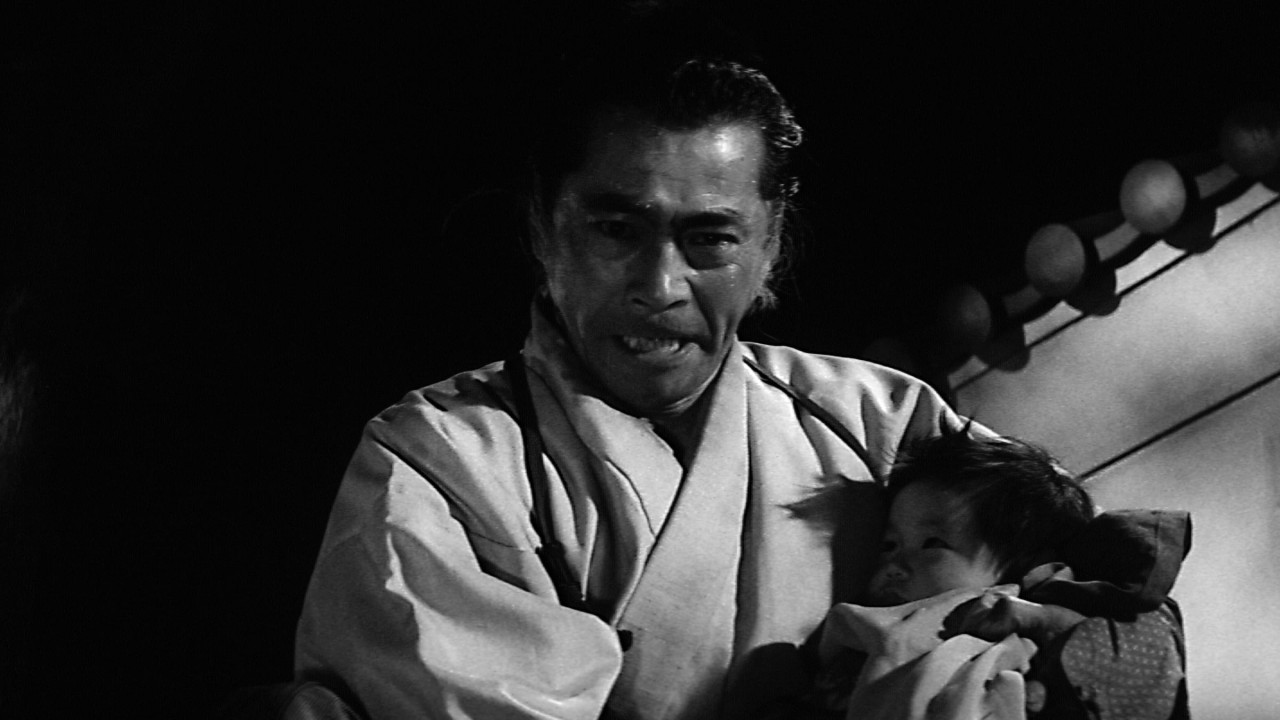
Returning to black-and-white, Kobayashi uses visual language to reflect the story: the film’s start features straight lines and rigid order symbolizing the harsh feudal regime.
As the rebellion begins, material order breaks down. The controlled chaos within the frame creates a tragic beauty that expresses the individual’s struggle against societal chains.
8. The Snow Woman (1968)
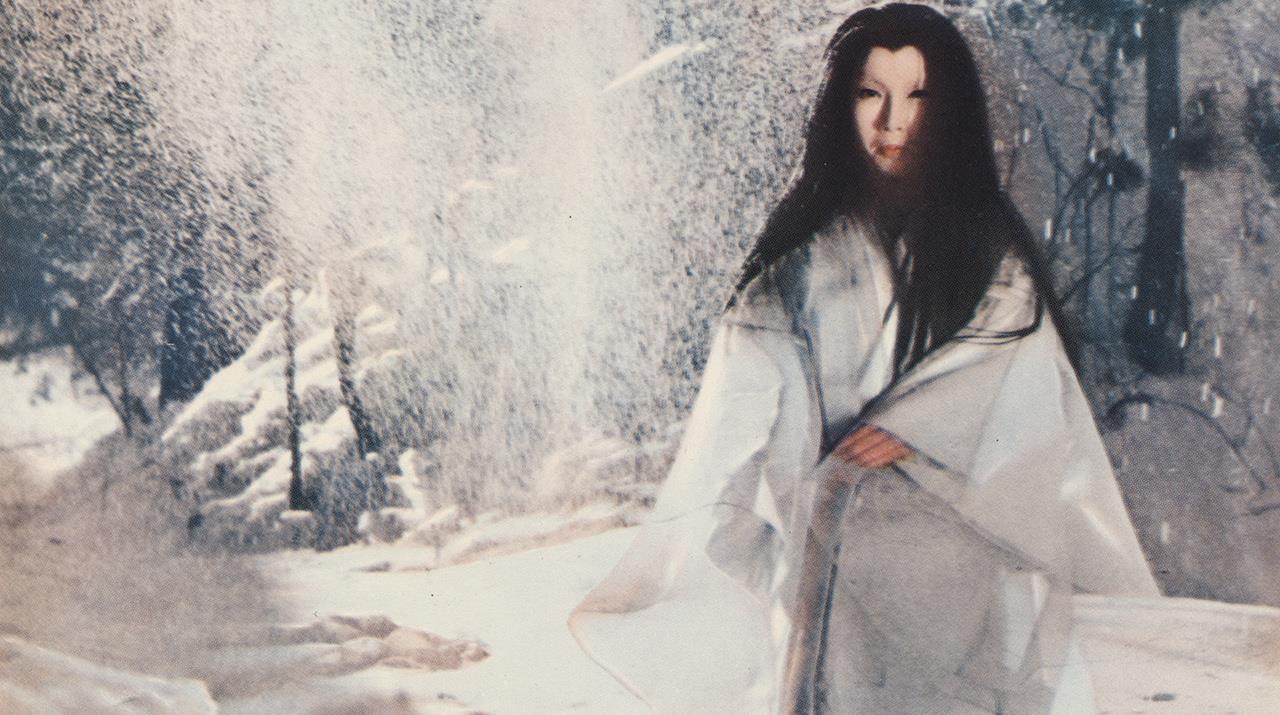
Directed by Tokuzo Tanaka, a former assistant to both Kurosawa and Mizoguchi, this film offers pure natural beauty. Tanaka focuses on the contrast between white snow, green trees, and vivid red earth. This simple yet highly effective color use creates a refined visual appeal.
9. Lady Snowblood (1973)
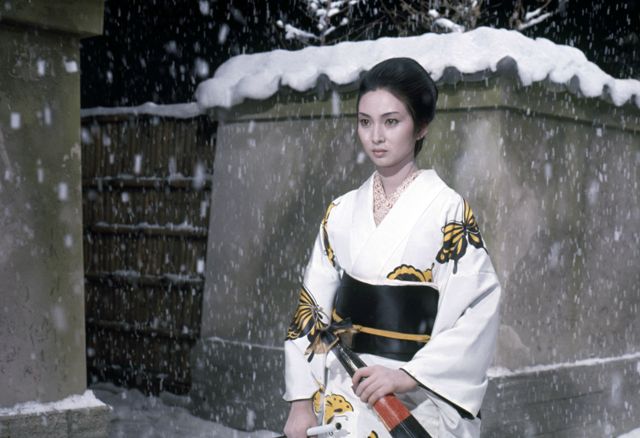
A major inspiration for Tarantino’s Kill Bill, Toshiya Fujita’s film features striking visual contrasts. Against pure white snow, vivid red blood bursts forth dramatically.
The film’s color palette balance is impressive, sometimes using neutral tones to highlight the protagonist’s blue umbrella, other times flooding scenes with vibrant colors in lavish ballrooms.
10. Kagemusha (1980)
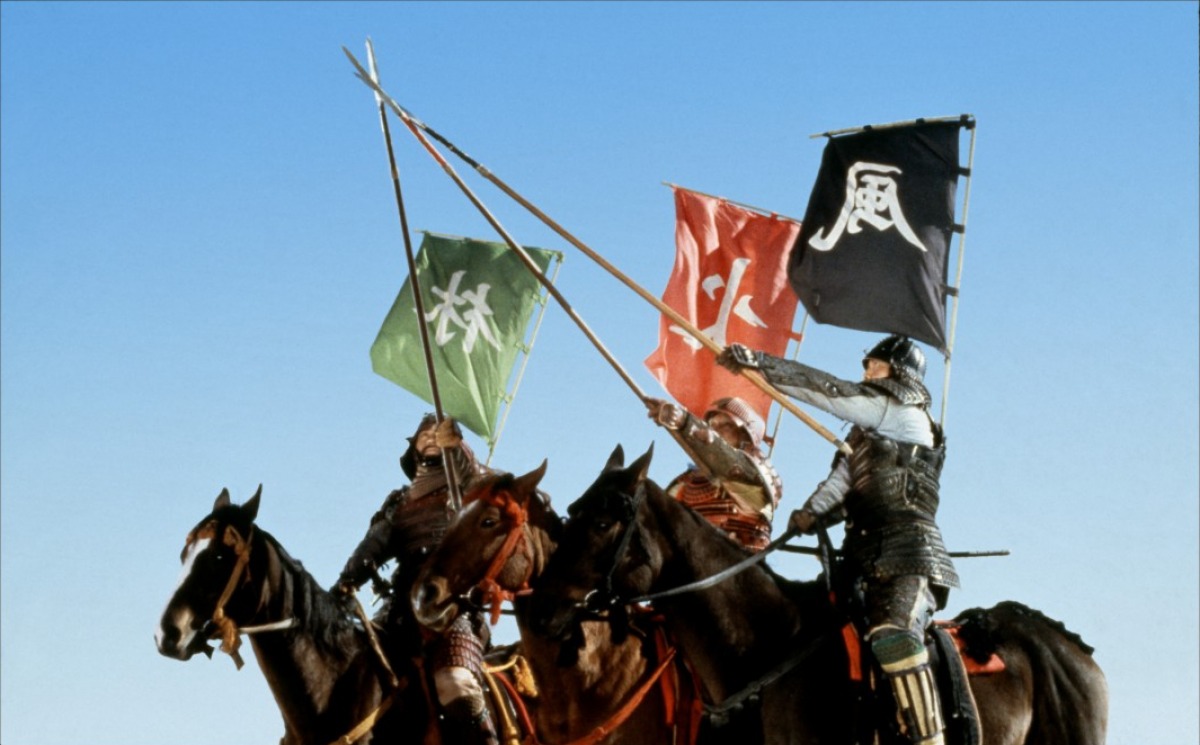
Kurosawa’s grandest color epic, Kagemusha uses bold, high-contrast colors on a large scale.
Despite frames filled with banners, samurai, horses, and buildings, Kurosawa skillfully separates colors so viewers aren’t overwhelmed. Kagemusha proves Kurosawa is not only a master of black-and-white but also a wizard of color.