


While popular shonen manga often get anime adaptations just a few years after release, many classic shojo titles have to wait decades before making it to the small screen. Red River is one such example.
Created by Chie Shinohara, the series ran in Sho-Comi magazine from 1995 to 2002 and won the 46th Shogakukan Manga Award for shojo in 2000. Blending history, fantasy, and romance, Red River is widely regarded as one of the standout shojo manga of the 1990s.
More than 30 years after its debut, the series finally received an official anime adaptation. However, the initial reception fell short of expectations.
Red River Anime Fails to Impress Visually
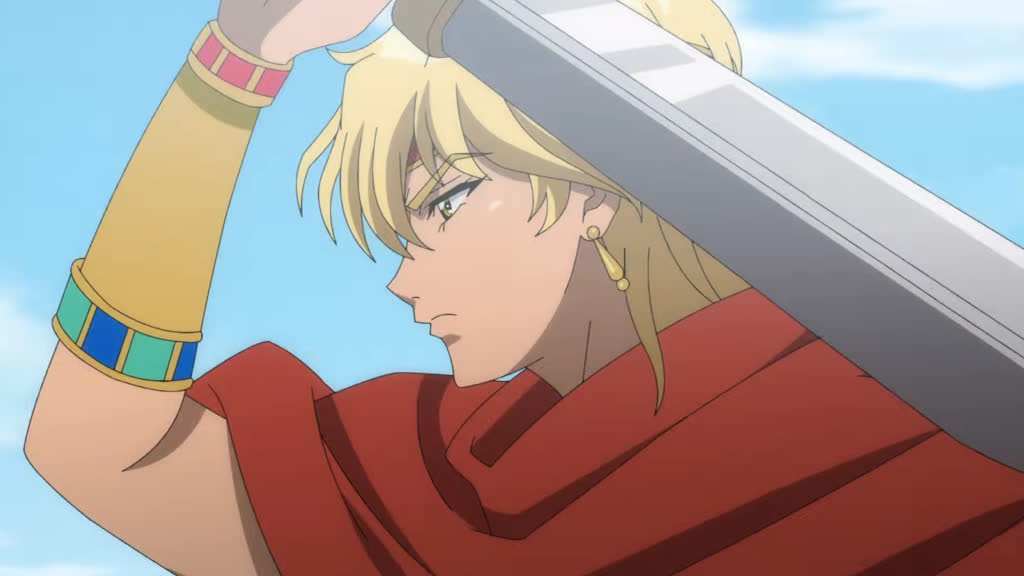
Produced by VAP with animation by Tatsunoko Production, one of Japan’s oldest studios founded in 1962 and known for works like Ping Pong the Animation and Neon Genesis Evangelion, the Red River anime carries a notable pedigree.
On the official project website, Chie Shinohara shared new character illustrations and expressed excitement that her manga was finally adapted after so many years.
Despite this, early visuals left many viewers underwhelmed. Critics pointed out that the animation lacks standout qualities and feels dated compared to recent high-budget anime projects.
Outdated Shojo Tropes Challenge Modern Viewers
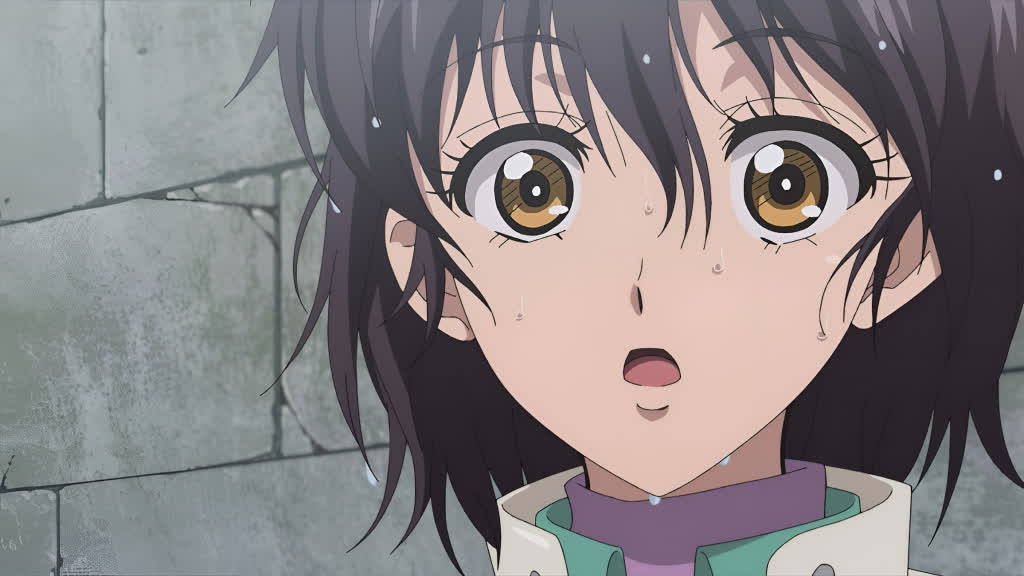
Beyond visuals, the story itself poses a challenge for today’s audience.
The plot follows Yuri Suzuki, a high school graduate about to start a new chapter in life. After her first kiss with her boyfriend, she is suddenly transported back in time to the Hittite Empire around the 14th century BC.
Thrust into an unfamiliar world, Yuri quickly becomes entangled in royal power struggles. She meets Prince Kyle, a strong contender for the throne. Through her journey, Yuri finds her place in this new land and forms relationships that greatly impact the kingdom’s fate.
Although the historical setting is intriguing and the manga made a strong impression during shojo manga’s golden era, Red River relies heavily on 1990s shojo tropes. Elements like time travel, romance with a prince, and classic romantic plotlines were once beloved but no longer resonate strongly with younger viewers.
As a result, while the anime adaptation is welcome news for longtime fans, it will need more than nostalgia to win over a new generation in today’s competitive anime market.