


Power in anime comes in many forms, but for some characters, simply surviving is their greatest and only strength. They stumble through worlds filled with gods, monsters, and absurdly powerful heroes, yet somehow manage to stay alive, sometimes thanks to luck, sometimes intelligence, and sometimes pure narrative kindness.
Often, their weaknesses become part of their charm, creating a strange balance against the nonstop displays of power around them. This list highlights anime characters who, by all logic, should have been eliminated long ago but continue to persist.
1. Usopp – One Piece
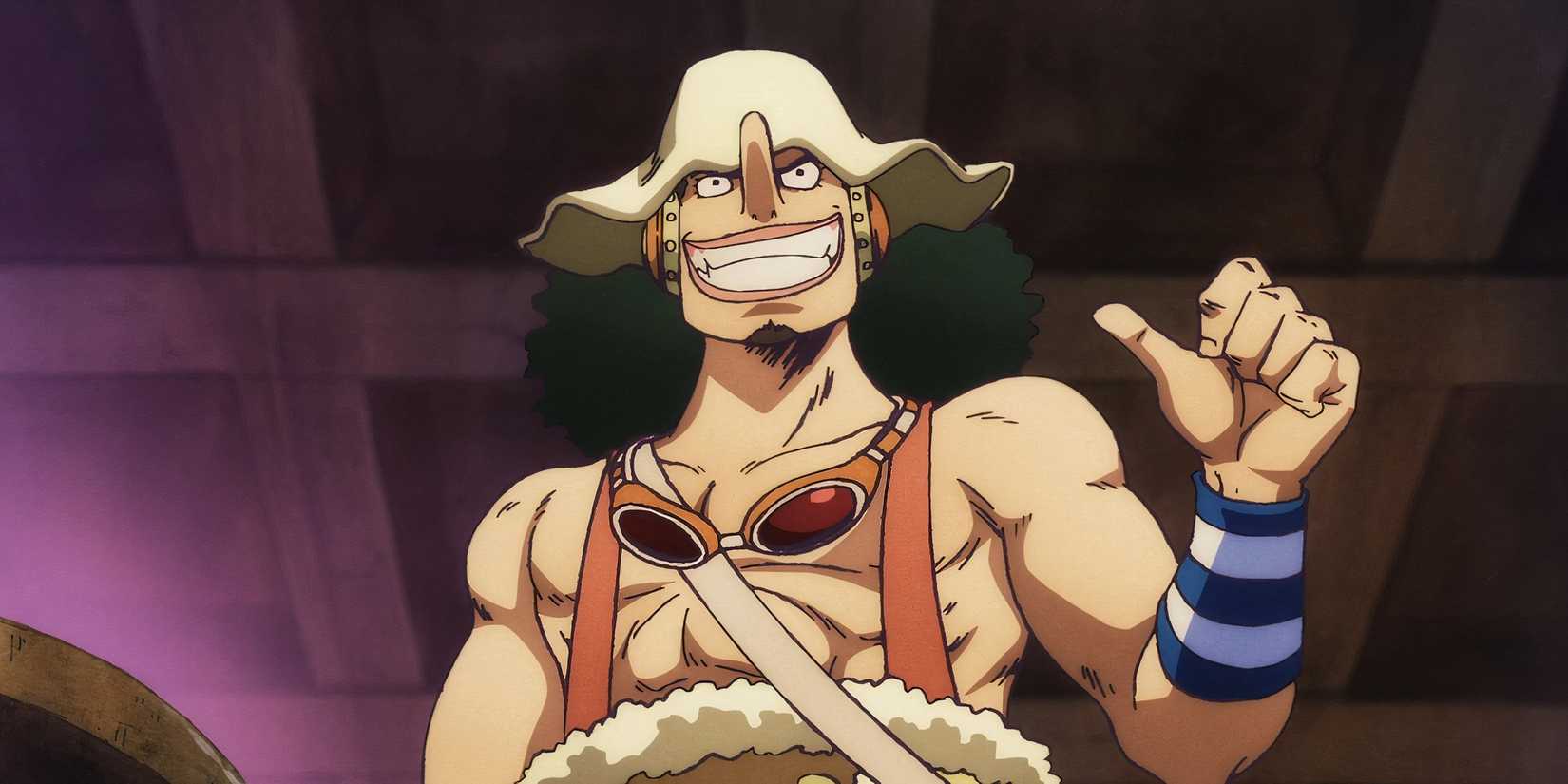
Usopp, son of Yasopp and the Straw Hat crew’s sharpshooter, survives in a world full of devil fruit powers and monstrous enemies through a mix of cleverness and his unique personality. Physically, he’s the weakest in the crew, lacking both strength and supernatural abilities. However, he makes up for it with cunning, intelligence, and incredibly precise marksmanship under pressure.
Beyond these traits, Usopp serves as the comic relief, with his lies acting as a storytelling armor that hides his fears and fuels courage when needed. The crew relies on him for scouting and quick thinking, roles that don’t depend on physical strength. Over time, he learns to turn fear into determination and accepts danger as part of being a pirate.
2. Yamcha – Dragon Ball Z
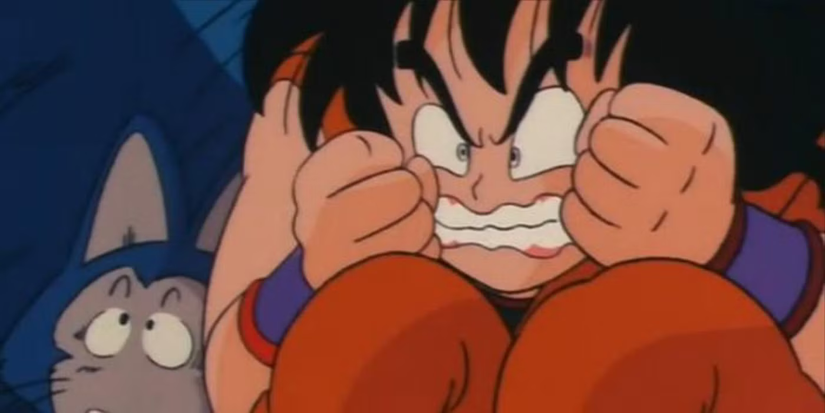
Yamcha’s ongoing presence in Dragon Ball is remarkable given the massive power escalation of enemies. Once a skilled fighter, he gradually slid into a comic role as extraterrestrial beings like Goku and gods far outpaced him. Yamcha survives not through competitive strength but through his social role and well-timed appearances.
He serves as a supporting character who keeps the story grounded in human life, despite his early famous death turning him into a joke. Since then, Yamcha chooses survival by being cautious and accepting a support role. His existence highlights that not every character needs destructive power to be important.
3. Minoru Mineta – My Hero Academia
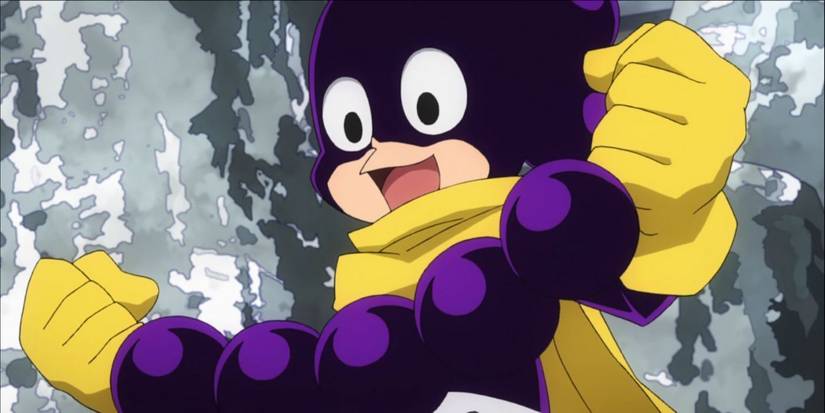
Minoru Mineta, often seen as the “pervert” of anime, survives among a class full of geniuses through a clear strategy: avoidance combined with opportunity. His Quirk, Pop Off, produces sticky balls used to trap and hinder opponents.
Though initially annoying, his survival reveals his cunning and adaptability. His instinctive fear helps him avoid confrontations, but skillful use of his Quirk sometimes turns it into a functional advantage, so he’s not a burden to his teammates.
4. Kon – Bleach
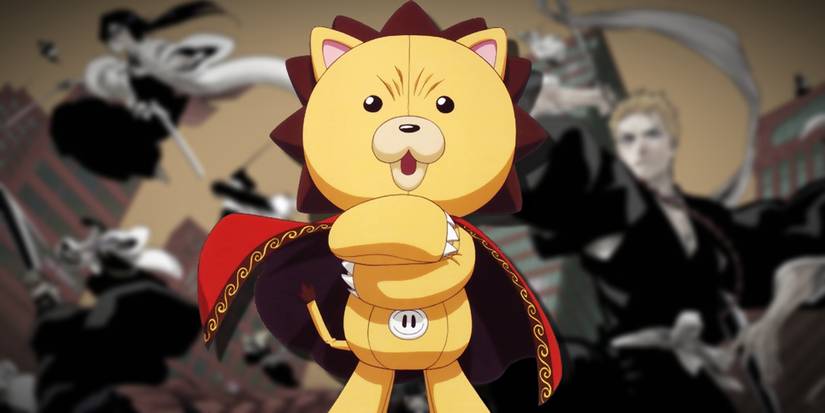
Kon, an artificial soul inhabiting a stuffed lion, survives in Bleach in a strange way: his uselessness in major conflicts actually helps him persist. Though created to boost fighting ability, he rarely fulfills that role.
Instead, he’s used for comic relief and as a body substitute for the main character. His existence allows him to be a background character while major events unfold. Kon’s survival is a structural necessity to balance the series’ serious tone.
5. Mr. Satan – Dragon Ball Z
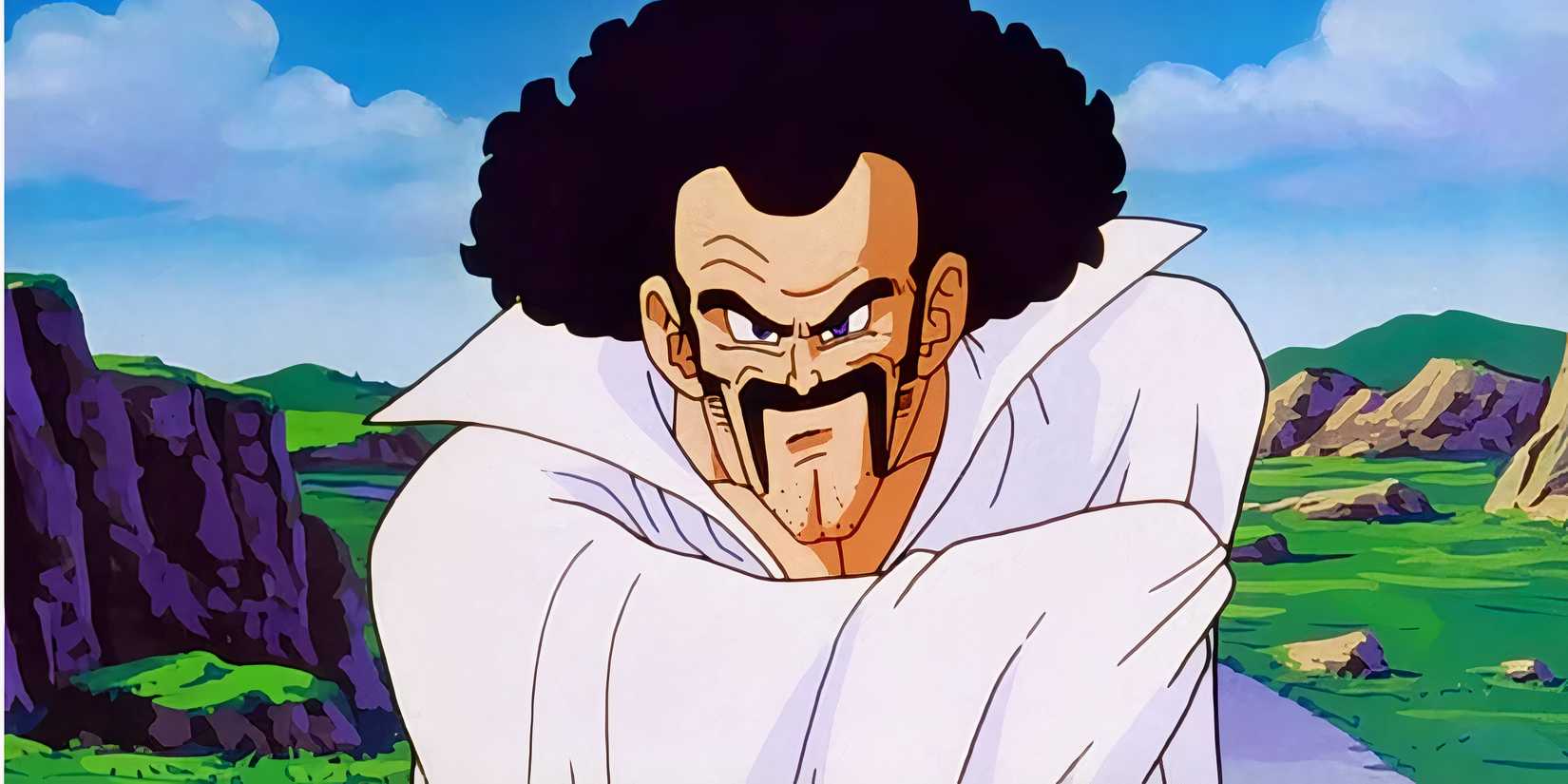
Mr. Satan is a survival expert thanks to fame and acting skills. In a universe where warriors can destroy planets, he hones a heroic image through television and reputation, which protects him in dangerous situations.
As the World Martial Arts Champion, Satan is stronger than ordinary people but insignificant compared to Goku. Despite his arrogance, he performs genuine brave acts, though only in less dangerous contexts.
His vanity acts as a narrative “armor,” giving him time and opportunities. Mr. Satan represents the common people’s view of heroes and the power of reputation in Dragon Ball.
6. King – One Punch Man
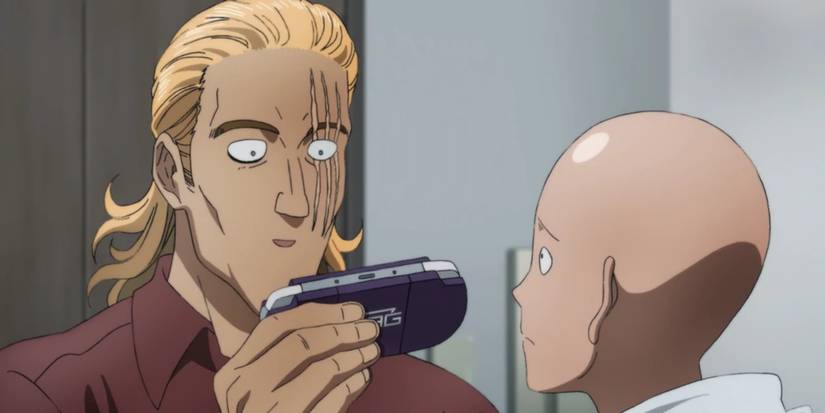
King embodies deception in anime, surviving in the superhero world by inheriting a reputation earned through coincidence. Being known as humanity’s strongest keeps villains at bay, causing most enemies to surrender without a fight.
In reality, King is just an ordinary person and probably the weakest Hero Association member. His survival depends entirely on luck, coincidences, and timely interventions by other heroes.
Within the story, King is a sharp satire showing how perception can be more powerful than reality. His anxiety about maintaining this lie is also a key psychological element of the series.
7. Reigen Arataka – Mob Psycho 100
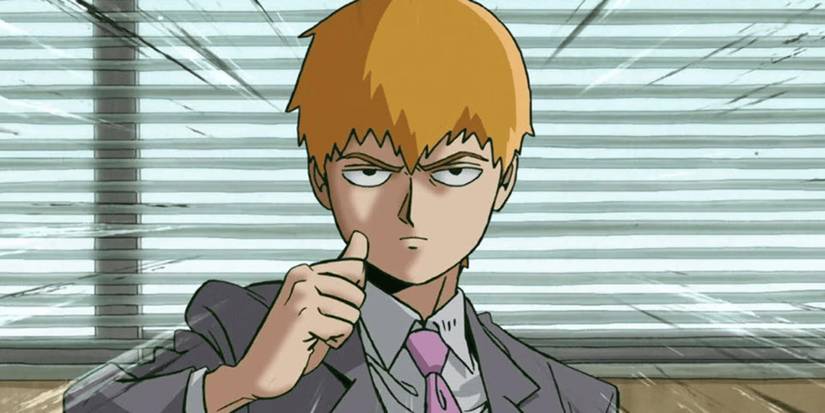
Reigen Arataka is another case of mistaken identity, much like King from One Punch Man. As a professional con artist, he survives by turning psychological insight into a practical advantage. Instead of psychic powers, Reigen gets by through conversation and negotiation, relying on observation, empathy, and quick thinking.
In conflicts involving spirits and real psychics, Reigen prefers negotiation over supernatural force. His deep understanding of people helps him run a successful spiritual consulting business.
8. Aqua – KonoSuba
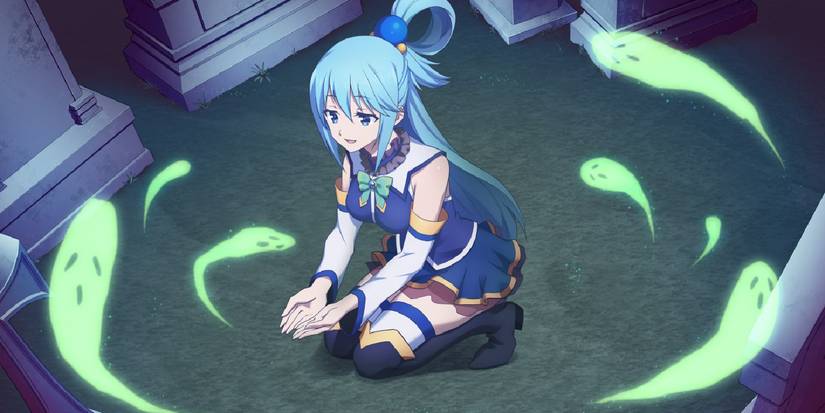
Aqua, the water goddess of the KonoSuba universe, survives thanks to plot convenience and comedic contrast. Theoretically, she’s a powerful goddess, but her impulsive behavior and astonishing lack of awareness often create crises that need rescuing.
Fortunately, the show treats her incompetence as an ongoing joke while providing unexpected utility through healing and purification abilities. Her survival stems from being an essential element in character interactions and storylines due to her divine status. She balances the main character’s practicality with toxic optimism, creating opportunities and conflicts that drive episodes.
9. Shinji Ikari – Neon Genesis Evangelion
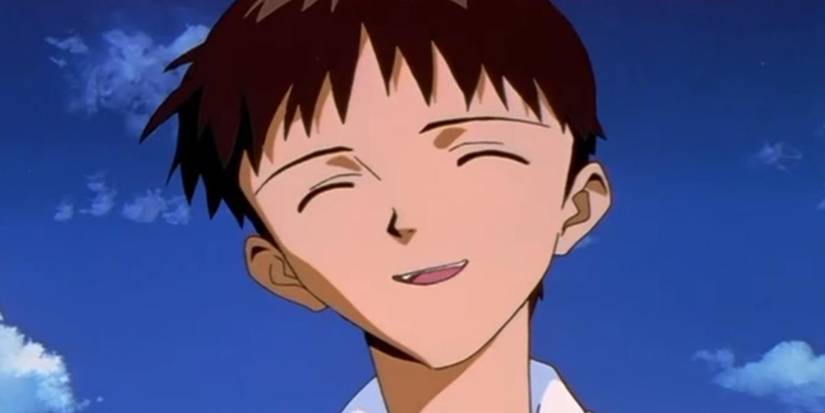
Though the protagonist, Shinji is not a hero in the traditional sense, lacking superpowers or extraordinary traits. He exists because Evangelion explores survival as a psychological process rather than a series of biological victories.
Caught between trauma and battle, Shinji responds with withdrawal, self-blame, and fragile attempts at connection. These reactions are realistic and often adaptive within the show’s logic. Evangelion values his persistence over triumph.
10. Yukiteru Amano – Future Diary
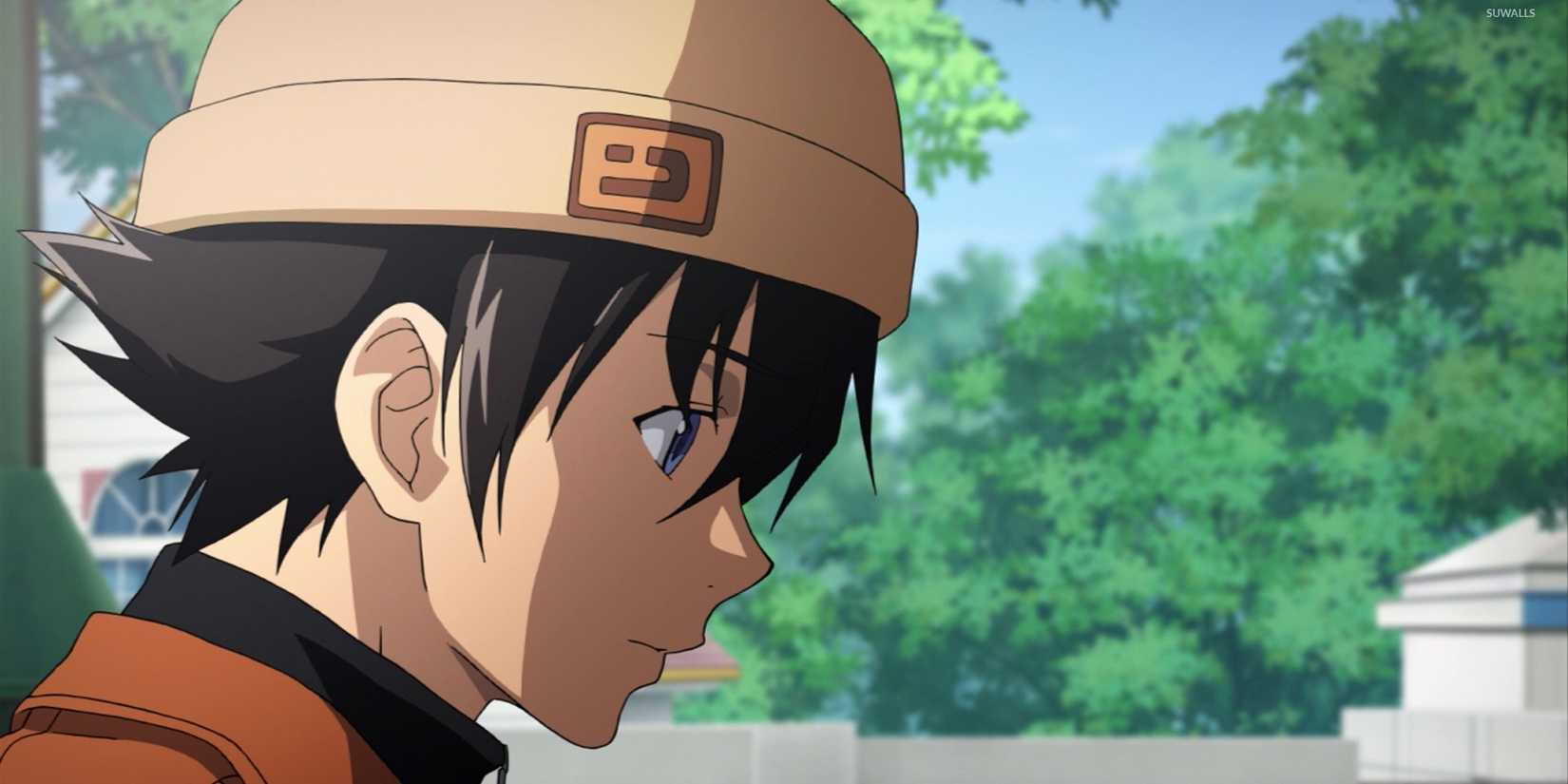
Yukiteru survives the brutal survival game of Future Diary mainly through alliances he forms and because opponents underestimate him. From a passive and clumsy person, he is forced to become the moral center of the contest. Necessity pushes him to make tough decisions, contrary to his original nature.
Despite being shy and awkward, Yukiteru benefits from loyal allies and a story design that prioritizes emotion. He exists to drive the plot. While others win through calculated ruthlessness, Yukiteru retains compassion even as he adapts to survival strategies.