

Behind the sweet voices and dazzling images on screen lies a harsh reality of “casting couch” scandals. A whistleblower’s testimony has drawn over 5 million views, exposing the dark side of the billion-dollar anime industry.
Recently, Jirai-chan, a well-known former seiyuu on platform X (formerly Twitter), shook the online community by revealing the inappropriate offers she once received. Her post instantly sparked fierce debates about the hidden issues few dare to discuss in the anime world.
“Sofa Squad” and the shadowy invitations
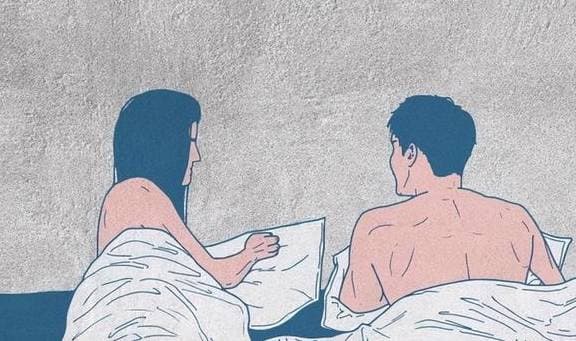
Jirai-chan insists that exchanging sexual favors for career opportunities is not a fantasy but a quietly existing truth. She revealed that during her professional career, a famous anime director offered her a role in a new project in exchange for sleeping with him.
Notably, Jirai-chan shared a sarcastic term circulating in the industry called the “Sofa Squad.” This phrase refers to rookie female seiyuu with unremarkable skills and little fame who still appear unusually often in major projects. This is believed to be the result of “after-hours” deals made right on the sofas in studio offices.
Faced with such powerful temptations, Jirai-chan said she felt deep contempt and was determined to keep herself clean. To prove her worth, she revealed that her role in the popular anime Kemono Friends was earned purely through talent and fair auditions, with no involvement from any “hidden rules.”
However, when netizens urged her to name the director, Jirai-chan firmly declined. She cited Japan’s legal realities, explaining that even with evidence, publicly naming the individual could lead to defamation lawsuits that would severely impact her current life.

Mixed reactions: Does the director hold absolute power?
This revelation has divided the audience. Some are unsurprised, believing that “hidden rules” exist across all entertainment fields. Some even cited cases where agencies require body measurements in seiyuu applications, a detail unrelated to vocal skills.
Others argue that anime directors usually do not have the final say on casting, as producers or production committees hold that power. They doubt that a single director could unilaterally hand out roles.
Regardless of the director’s influence, Jirai-chan’s accusation delivers a strong blow to the rosy image of the anime industry. It highlights the need for more transparent casting processes and courage from insiders to speak out in order to protect genuine talent.