


The appearance of Otsutsuki Kaguya at the end of Naruto: Shippuden surprised many fans and left some feeling disappointed. But looking at the entire story Masashi Kishimoto crafted, it becomes clear that Kaguya is just a facade, while the true final villain is something far more terrifying.
Among Naruto fans, Kaguya stealing the spotlight from Madara in the final moments has always sparked heated debate. However, a closer look at the story’s structure shows that Kaguya isn’t the ultimate emotional antagonist. The greatest villain isn’t a living being but an ideological concept: the cycle of hatred.
Otsutsuki Kaguya: A symbol of control born from fear
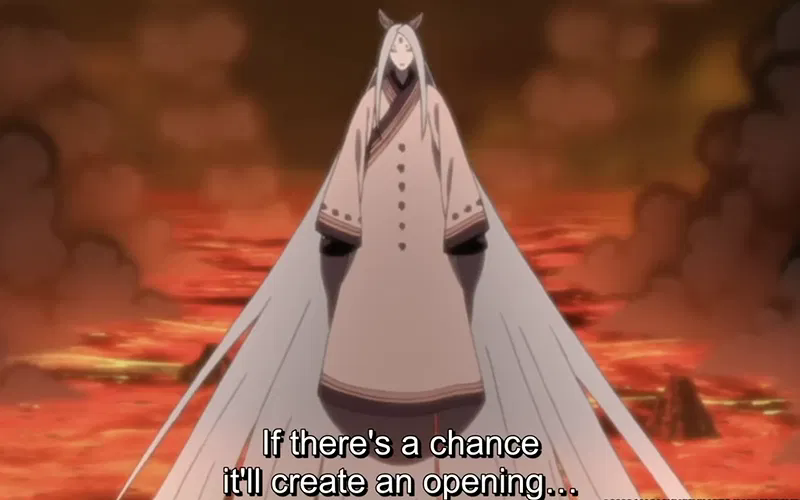
By the end of Shippuden, everyone was holding their breath for the epic showdown with Uchiha Madara. Yet Kishimoto pulled a surprise by making the chakra progenitor Kaguya the final antagonist. Despite her cosmic-level power, the battle always felt like something essential was missing.
Kaguya represents the origin of chakra and humanity’s fear of violence. She tries to control everything through the Infinite Tsukuyomi, a forced peace plan similar to Madara’s.
But while Madara and Obito are direct products of pain, Kaguya stands outside that emotional ecosystem. She’s like a natural disaster, an extreme escalation of a broken world, not the emotional climax the story truly needs.
The “Cycle of Hatred”, The immortal villain

Kishimoto’s concept of the “Cycle of Hatred” is what repeats throughout the series. Madara, Obito, Nagato (Pain), and even Sasuke are victims, inheriting the pain from the old shinobi system.
If Kaguya symbolizes control, Madara reflects the endless trauma of war. Yet emotionally, Sasuke emerges as the true final villain.
All the villains’ beliefs before him, that people never change and peace requires domination, are perfectly embodied in Sasuke. His journey from pain to isolation, then to wanting to revolutionize the world through fear, is the cycle Naruto is determined to break.
Naruto’s real victory: Rejecting the system
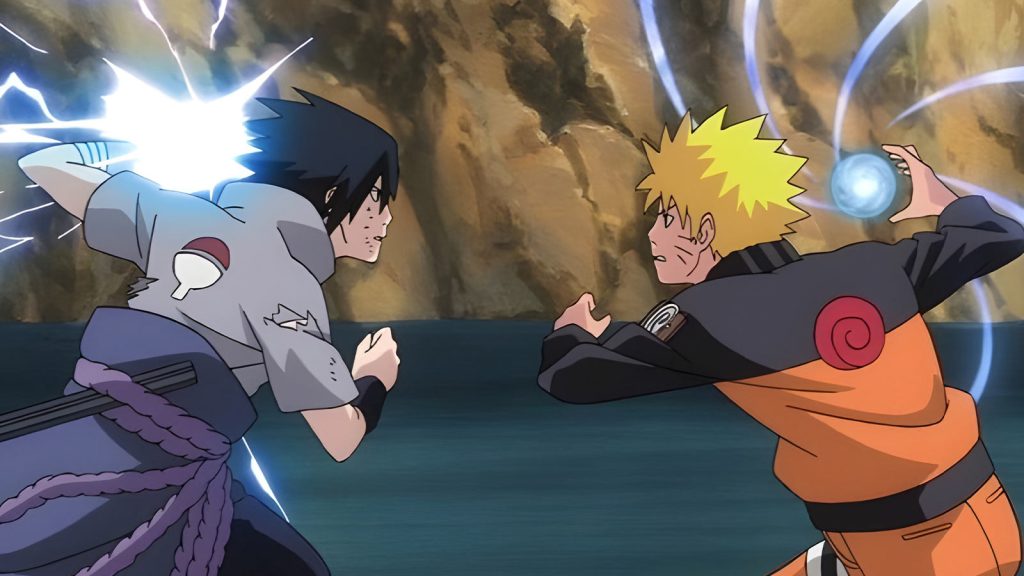
Naruto’s greatest victory isn’t sealing Kaguya but rejecting the shinobi system that created her.
The shinobi system, from training children as weapons to rigid clan hierarchies, is the true villain. It exploits individuals and creates monsters like Zabuza, Kimimaro, and Nagato. Naruto wins not through illusions, genocide, or force, but through connection.
In short, Kaguya may mark the end of power, but Sasuke and the old shinobi system represent the final emotional challenge. Naruto’s story ends not just by defeating a god, but by breaking the chains of hatred that have bound the shinobi world for thousands of years.