


When people think of Nobita, they often picture a clumsy kid who struggles at school and sports, cries a lot, and constantly relies on Doraemon. In the Doraemon universe, Nobita is usually seen as the underdog, always getting into trouble and needing rescue.
However, if you look past this familiar image and observe Nobita’s behavior more closely, you’ll realize he’s far from simple. In fact, Nobita possesses a special skill that has left even Doraemon at a loss many times. That skill is persuasion, a crucial soft skill perfectly suited to the role of a future leader.
Every time Nobita wants to borrow one of Doraemon’s gadgets, he puts this skill on full display. Doraemon holds absolute power with his magical pocket, while Nobita seems to have no advantage. Yet in many situations, Nobita is the one who ultimately gets what he wants.
Nobita never gives up right away. At first, he sweet-talks Doraemon, showering him with compliments and making him feel irreplaceable. When that doesn’t work, Nobita switches to sharing his hardships and exaggerating his misfortunes to tug at Doraemon’s heartstrings. And if all else fails, Nobita resorts to his final move: threatening the mouse, Doraemon’s classic weakness. Even though Doraemon knows Nobita’s tactics well, he often ends up giving in.
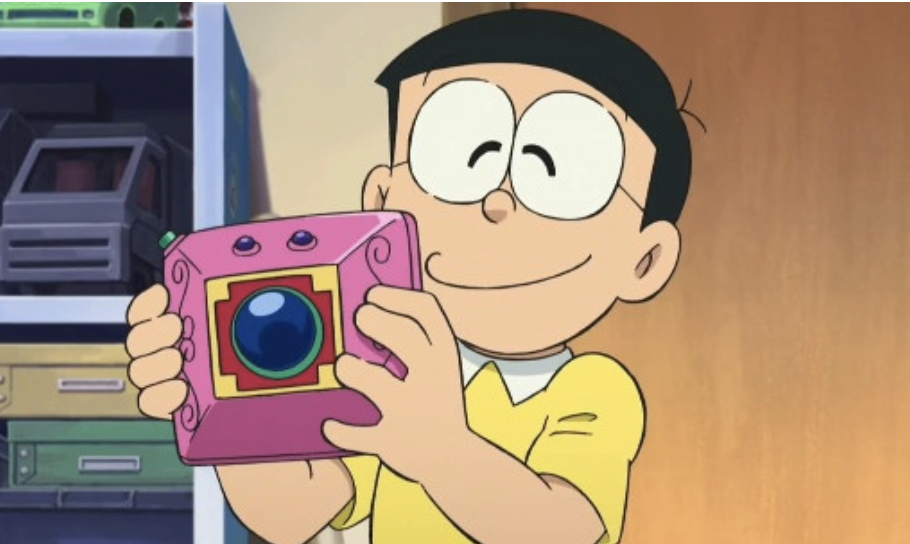
From an adult perspective, this isn’t just a funny kids’ story. Nobita is actually applying a well-rounded set of persuasion skills. He understands who he’s dealing with, is sensitive to others’ emotions and weaknesses, and adapts his approach accordingly. Nobita doesn’t stubbornly stick to one tactic but shifts between gentle and assertive strategies. This is something many adults still struggle with, even after years in the workforce.
Nobita isn’t academically brilliant, nor does he excel physically or have outstanding achievements. What he has is persistence and the ability to read situations. He knows when to back down, when to exaggerate, and when to appeal to others’ feelings. In a future work environment, these skills are invaluable. A leader doesn’t have to be the most skilled expert but must inspire cooperation and support.
In reality, many bosses aren’t the top performers in their teams. They may not write reports fastest or master technical skills best, but they know how to delegate, persuade, and connect people. If Nobita were placed in a more mature setting, he could very well become a leader who relies on teamwork, asks for help wisely, and achieves goals in his own way.
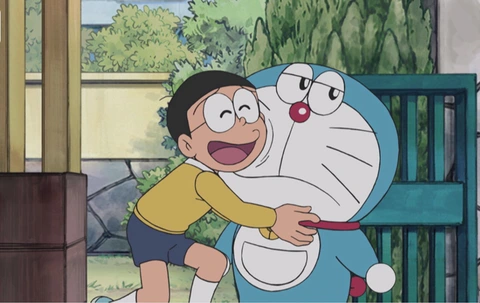
Of course, Nobita’s persuasion sometimes has a negative side. He often takes advantage of Doraemon’s kindness and pushes things too far. But from another angle, this reflects a very real part of growing up. Every skill has two sides, and what matters is how it’s used. With self-control and proper guidance, Nobita could turn this strength into genuine leadership rather than dependence.
One thought-provoking detail is that despite having countless futuristic gadgets, Doraemon is often influenced by Nobita. This shows that technology, intelligence, or power alone don’t determine outcomes. In many cases, emotions, relationships, and mutual understanding are the key factors. Nobita, instinctively, grasps this early on.
Perhaps that’s why, instead of seeing Nobita as a hopeless kid, it’s time to view him differently. Behind his clumsy exterior lies a powerful soft skill. In a world that increasingly values communication and persuasion, Nobita might not become a genius, but he’s likely to rise as a leader in his own unique way.